

Introduction
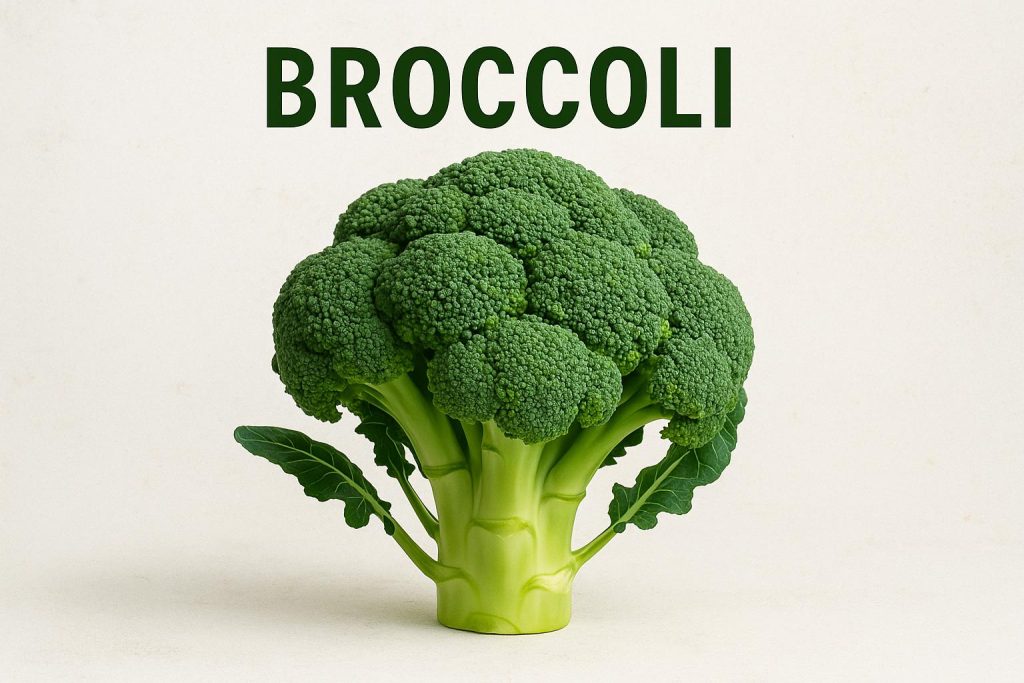
Broccoli, a member of the Brassicaceae family, stands as one of the most commonly recognized green vegetables globally. It shares familial ties with other nutritious vegetables such as cabbage, kale, and Brussels sprouts. The origins of broccoli trace back to the Mediterranean region, where it has been a staple for more than 2,000 years. Its widespread cultivation today underscores its adaptability and acceptance across different cultures as both a culinary and nutritional cornerstone.
Broccoli’s Nutritional Profile
Broccoli is often lauded as a powerhouse of nutrients, making it a pivotal addition to a balanced diet. It is packed with essential vitamins and minerals that support various bodily functions. A closer look at broccoli reveals that it is particularly abundant in vitamin C, a nutrient known for bolstering the immune system and promoting skin health through collagen synthesis. Vitamin K is another significant component, playing a crucial role in blood clotting and bone health.
Moreover, broccoli is an excellent source of dietary fiber, which aids in digestion and helps maintain a healthy weight. In addition to these essential nutrients, broccoli is rich in a range of bioactive compounds. These include glucosinolates, which are sulfur-containing compounds, and antioxidants such as lutein and zeaxanthin. These components are pivotal in promoting overall health and protecting the body against a range of diseases.
Health Benefits
Incorporating broccoli into one’s diet can lead to numerous health advantages. Let’s explore some of the key benefits:
Cancer Prevention
Broccoli is distinguished for its potential in cancer prevention, largely due to its glucosinolate content. When consumed, glucosinolates are converted into isothiocyanates, compounds that have been the subject of extensive research. These isothiocyanates are believed to contribute to the body’s defense against cancer by supporting cellular detoxification processes and reducing oxidative stress. Such mechanisms potentially lower the risk of developing various types of cancer, making broccoli a valuable component in a diet aimed at disease prevention.
Heart Health
The consumption of broccoli also supports heart health in multiple ways. The vegetable’s high fiber content plays a pivotal role in lowering cholesterol levels, which is essential for maintaining healthy arteries and preventing cardiovascular diseases. Furthermore, the antioxidants present in broccoli combat inflammation and oxidative stress, both of which are known contributors to heart disease. Regular consumption of broccoli may thus help in sustaining a healthy cardiovascular system.
Bone Health
For individuals concerned about bone density and strength, broccoli offers substantial benefits. Rich in both calcium and vitamin K, broccoli aids in bone formation and maintenance. Calcium is a primary component of bones, while vitamin K is essential in maintaining bone mineral density and preventing fractures, especially in the elderly. These nutrients make broccoli an excellent dietary choice for supporting long-term bone health.
Culinary Uses
Beyond its health benefits, broccoli’s versatility in culinary applications is noteworthy. It can be cooked using a variety of methods, each bringing out different flavors and textures. Some popular cooking methods include:
– **Steaming:** Often favored for its ability to preserve nutrients, steaming broccoli leaves it tender yet crisp.
– **Roasting:** This method caramelizes the natural sugars in broccoli, enhancing its sweetness and depth of flavor.
– **Stir-frying:** Quick and efficient, stir-frying locks in broccoli’s vibrant color and nutrients, making it a great addition to mixed vegetable dishes.
Broccoli is commonly featured in salads, where its crisp texture adds contrast, or in soups, where it provides a nutrient-rich base. As a standalone side dish, broccoli complements a wide range of main courses and can be seasoned with herbs, spices, or a simple drizzle of olive oil for added flavor. When preparing broccoli, it is crucial to avoid overcooking, as prolonged exposure to heat can lead to nutrient loss and a mushy texture, detracting from its culinary appeal.
Cultivation
Cultivating broccoli requires understanding its preference for cooler climates, as these conditions are most conducive to its growth. Typically, broccoli is grown in two main seasons: spring and fall. Gardeners and farmers must ensure that the soil is well-drained and maintains a pH level between 6.0 and 7.0 for optimal growth.
Given its need for consistent moisture, broccoli benefits from regular watering. However, care must be taken to avoid waterlogged conditions, which can hinder its development. Starting broccoli seeds indoors is a common practice, allowing young plants to develop in a controlled environment before being transplanted outdoors after the danger of the last frost has passed. This approach maximizes plant health and yield.
For those seeking a deeper understanding of advanced growing techniques, including pest management and soil preparation, more detailed resources are available through specialized agriculture platforms.
In conclusion, broccoli stands out as an incredibly versatile vegetable offering significant nutritional benefits. Its integration into daily diets can lead to positive health outcomes, from reducing disease risk to supporting bone strength. Whether incorporated into meals through diverse cooking methods or grown with care in a home garden, broccoli remains a valuable addition to healthy living.
