

Introduction to Chia Seeds
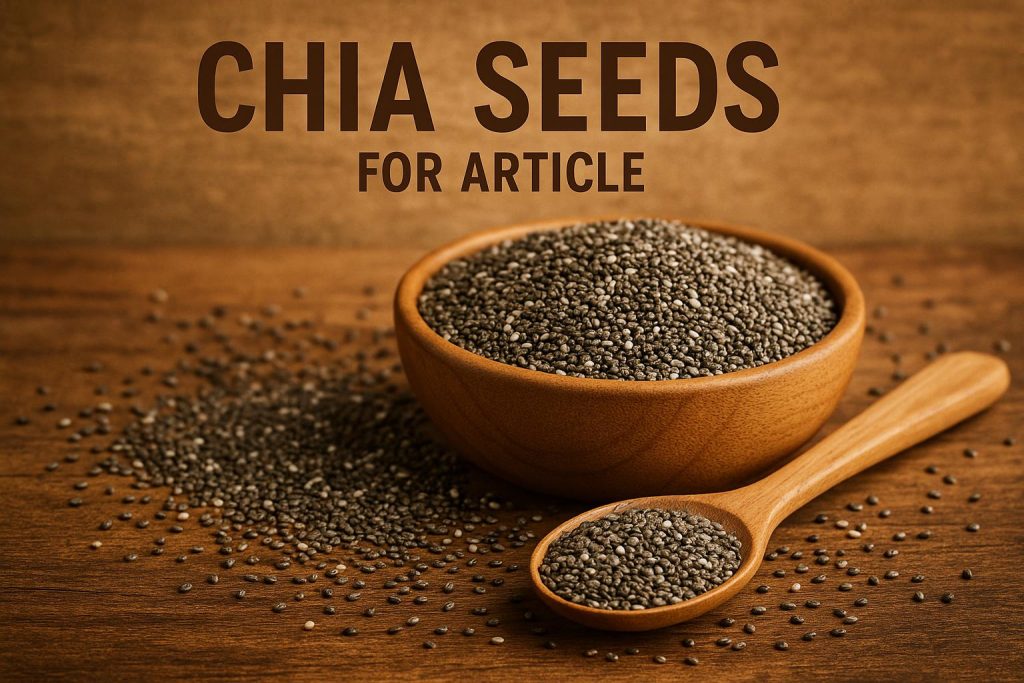
Chia seeds, originating from the plant Salvia hispanica, have become increasingly popular as a superfood in modern dietary practices. These small, oval seeds, which come from Central and South America, have been a staple in these regions for centuries due to their rich nutritional content and adaptability in various culinary preparations. Let us delve deeper into what makes chia seeds a favored choice among health enthusiasts and culinary experts alike.
Nutritional Profile
Chia seeds are a powerhouse of nutrients, containing a commendable mix of fiber, protein, essential fatty acids, and a variety of vital vitamins and minerals. This unique composition makes them an attractive addition to diets around the world.
Macronutrients
Chia seeds are known for their impressive macronutrient content. They comprise approximately 34% fiber, a fundamental element for digestive wellness. With about 20% protein, these seeds serve as a valuable plant-based protein source, catering to vegetarians and vegans as well as those seeking alternative protein sources. Furthermore, chia seeds are celebrated for their high levels of antioxidants. These compounds are critical in fighting oxidative stress, promoting cellular health, and potentially mitigating the effects of aging.
Vitamins and Minerals
The vitamin and mineral composition of chia seeds is noteworthy. They are rich in calcium, helping to promote dental and bone health. Magnesium, another vital mineral found in chia seeds, is essential for numerous biochemical reactions in the body. Phosphorus, present in significant amounts, plays a crucial role in the formation of bones and teeth. Supplementing diets with chia seeds can hence significantly aid in preventing conditions such as osteoporosis. Additionally, chia seeds offer moderate levels of zinc, which is crucial for immune function, and potassium, known to help regulate fluid balance and nerve signals. A variety of B-vitamins present in chia seeds further enhance their nutritional profile, supporting energy production and overall vitality.
Health Benefits
Regular intake of chia seeds is associated with a myriad of health benefits. Their high fiber content not only aids in digestive health by promoting bowel regularity but also enhances satiety, thereby assisting in weight management. The presence of omega-3 fatty acids, particularly alpha-linolenic acid (ALA), supports cardiovascular health. These fatty acids are linked to lowered cholesterol levels and a reduced risk of heart disease, making chia seeds a heart-friendly choice. Furthermore, the antioxidants in chia seeds contribute to reducing inflammation within the body, offering protective effects against chronic conditions.
Culinary Uses
The culinary versatility of chia seeds is one of their defining characteristics. Their neutral flavor and unique ability to absorb liquid make them suitable for a wide range of culinary applications. When combined with liquid, chia seeds swell and form a gel-like consistency which can be employed in thickening various dishes without altering the flavor profile significantly.
Incorporating into Meals
Integrating chia seeds into your meals can be a seamless process, offering both nutritional and textural benefits. One simple yet popular method is soaking them overnight in milk or a milk alternative, which creates a creamy and nutritious base for breakfast bowls. This can be enriched with fresh fruits, nuts, or even a dash of honey for added flavor. Chia seeds can also be blended into smoothies, providing thickness and nutritional enhancement. They can be sprinkled over yogurt, cereal, or even incorporated into baking recipes, such as muffins or bread, to boost the nutritional content. Vegan cooking especially benefits from chia seeds as they can act as an excellent egg substitute due to their binding properties.
Storage and Shelf Life
Chia seeds, unlike some other seeds and grains, boast a relatively long shelf life. To ensure they remain fresh and retain their nutritional value, they should be stored in a cool, dry environment. An airtight container is recommended to protect them from moisture and contaminants. Proper storage not only preserves chia seeds’ structural integrity but also their desirable qualities, making them a reliable pantry staple.
Conclusion
Chia seeds are much more than a passing health trend; they are a nutrient-dense food that provides a wealth of health benefits. Their ease of incorporation into a wide variety of dishes further enhances their appeal, making them a versatile staple for those aiming to bolster their nutritional intake. Whether added to a smoothie, incorporated into a pudding, or sprinkled over salads, chia seeds are a simple yet effective way to enhance dietary quality. For those interested in exploring the full scope of chia seeds’ benefits, extensive research materials and studies are available through trusted resources like the National Center for Biotechnology Information. These seeds serve as a testament to the notion that small, thoughtful dietary changes can have a profound impact on overall health and well-being.
