

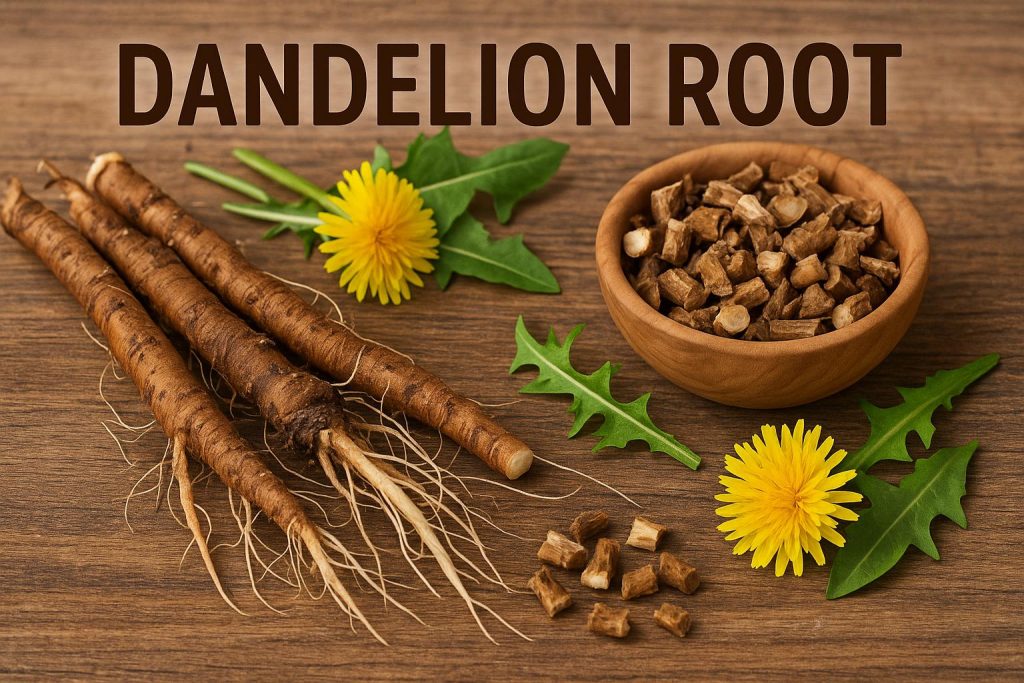
Dandelion Root: An Overview
Dandelion root is an intriguing plant element that has been garnering increased attention for its potential health benefits and uses. While widely considered a troublesome weed in gardens and lawns, the dandelion has been utilized in traditional medicine across various cultures for centuries. The perception of dandelion as merely a weed is constantly being reshaped as emerging research sheds light on its potential health-enhancing properties, encouraging a reassessment of this versatile plant.
Historical Use of Dandelion Root
The use of dandelion root can be traced back to traditional Chinese, Arabian, and Native American medicine. It was primarily used for its purported abilities to help address issues related to the liver and digestive system. The plant’s roots and other parts have been explored for their potential to assist with ailments ranging from indigestion to inflammatory disorders. Such applications underscore the breadth and depth of the plant’s incorporation into traditional healing practices.
In China, dandelion was often integrated into herbal formulations aimed at promoting liver health and assisting in the detoxification processes. It was believed that the plant’s properties could harmonize the body’s internal systems. Similarly, Arabian medicine leveraged its diuretic capabilities, reinforcing the plant’s reputation as assisting with fluid regulation and toxin elimination. Native American healers also utilized dandelion root, recognizing it as a valuable remedy for digestive ailments and skin conditions, showcasing the plant’s wide range of applications across diverse traditions.
Nutritional Composition
Dandelion root contains a diverse array of nutritional components. It is rich in fiber, vitamin K, and vitamin A. Furthermore, it also provides minerals such as calcium, potassium, and iron. These nutrients contribute to the plant’s presumed benefits and are one of the reasons for its use in various dietary supplements. Such characteristics make it an attractive option for individuals seeking natural means to bolster their nutritional intake.
The abundance of vitamins and minerals in dandelion root indicates its potential as a nourishing addition to one’s diet, particularly for those aiming to integrate more natural sources of essential nutrients. Vitamin K, for instance, plays a critical role in maintaining bone health and facilitating proper blood clotting mechanisms, while vitamin A is essential for maintaining vision and supporting immune responses.
The fiber content in dandelion root further enhances its reputation as a beneficial dietary component. Fiber is instrumental in promoting efficient digestive processes, contributing to a balanced gut environment, and helping to maintain regular bowel movements. This combination of vitamins, minerals, and fiber presents dandelion root as a potential ally in nurturing overall health and wellness.
Potential Health Benefits
There are several suggested health benefits associated with dandelion root, though it’s crucial to note that more scientific research is required to confirm these effects. Some potential benefits include:
Liver Support: Dandelion root is often touted for its possible liver-detoxifying properties. It’s thought that compounds in the root can promote bile production and help eliminate toxins. By promoting efficient liver function, the root may play a part in supporting the body’s natural detoxification pathways, facilitating the breakdown and elimination of potentially harmful substances.
Digestive Aid: The root is sometimes used as a mild laxative and to improve digestion due to its fiber content. By encouraging healthy digestion, dandelion root might alleviate common gastrointestinal complaints such as bloating and constipation, promoting a sense of digestive comfort.
Antioxidant Properties: Dandelion contains high levels of antioxidants, which may help combat oxidative stress and inflammation in the body. Antioxidants are crucial in neutralizing free radicals, potentially reducing the risk of chronic diseases and contributing to cellular health and vitality.
The antioxidative potential of dandelion root adds a compelling dimension to its appeal as a natural health supplement. Free radicals, while naturally occurring, can inflict damage on cellular structures, potentially leading to oxidative stress, which is implicated in the aging process and related health challenges. Thus, the antioxidants in dandelion may offer protective benefits, fostering a healthier bodily environment.
Preparation and Consumption
Dandelion root can be consumed in various forms, including teas, capsules, and tinctures. Herbal teas made from the root are popular for their mildly bitter taste, which is believed to aid in saliva and digestive enzyme production. It is important to consider individual preferences and health needs when selecting the most suitable form of consumption.
Capsules offer a convenient and easily dosable option for those preferring a more straightforward approach. Tinctures, on the other hand, provide a concentrated liquid form, which can be added to beverages or taken sublingually for faster absorption. Regardless of the form chosen, it is advisable to adhere to recommended guidelines for dosage and consult with a healthcare professional before introducing any new supplement to your diet, especially for those with existing health conditions or those on medication.
The versatility of dandelion root in its preparation and consumption forms allows for easy incorporation into diverse lifestyles. Whether opting for the ceremonial experience of brewing tea or the practicality of capsules, individuals have the flexibility to tailor their dandelion usage to fit their routines and health objectives.
Conclusion
While dandelion root holds potential for various health benefits, it is important to rely on a growing body of research and consult healthcare professionals when considering its use. For those interested in exploring dandelion root further, reliable sources such as medical websites and herbal medicine platforms might offer additional insights and updates on ongoing research.
Engaging with trusted resources ensures that individuals remain well-informed about the latest findings and can make educated decisions regarding their health practices. The continued exploration of dandelion root and its potential applications reflects the broader trend toward incorporating herbal and natural alternatives into contemporary wellness strategies.
For more detailed information, consider visiting resources like the Medical News Today or the WebMD website. By staying attuned to the developments in the understanding of dandelion root, individuals can more effectively leverage its benefits within the context of their personal health journeys.
