

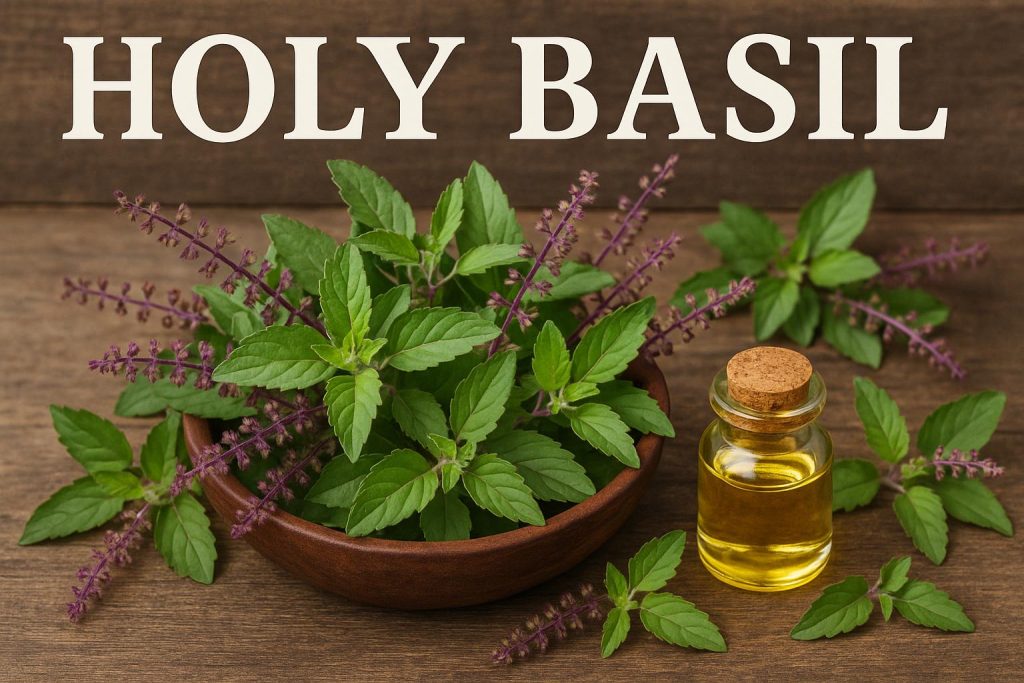
Introduction to Holy Basil
Holy Basil, scientifically known as Ocimum tenuiflorum, and commonly referred to as Tulsi, is an aromatic perennial plant native to the Indian subcontinent. It holds a place of high regard in Ayurvedic medicine and is prominent in religious rituals. This plant is often compared to other types of basil due to its distinct properties and unique characteristics.
Origin and Botanical Characteristics
Holy Basil is believed to have its origins in North Central India. Known for its dual significance in religion and medicine, the plant distinguishes itself from the common sweet basil popular in Western cuisine. Holy Basil features either green or purple leaves and exudes a strong, pungent aroma. Typically, the plant achieves a height ranging from 30 to 60 cm and thrives in warm, tropical climates. Its robust adaptability to different environments has made it a staple in various cultures outside its place of origin.
Chemical Composition
The distinct properties of Holy Basil are attributed largely to its rich composition of essential oils and various organic compounds. The plant’s key components include eugenol, camphor, and methyl eugenol, renowned for their potential health benefits. In addition to these, Holy Basil comprises significant levels of vitamins such as A and C, along with essential minerals like calcium, zinc, and iron. This comprehensive nutritional profile contributes to its therapeutic uses and highlights its value not only as a culinary herb but also as a potent medicinal plant.
Cultural and Religious Significance
In Hindu tradition, Holy Basil is venerated as a sacred plant. It is often found in households, unlike other plants which might be considered purely decorative or culinary. Its association with various deities underscores its spiritual importance, serving as a cornerstone in rituals and daily worship. Holy Basil is believed to purify the environment, imparting both physical and spiritual cleanliness. Its religious significance emphasizes the interconnectedness of health, spirituality, and daily life in cultural practices. To explore further into the cultural dimensions of Holy Basil, one might consult comprehensive studies available through academic platforms.
Ayurvedic and Medicinal Uses
Holy Basil is integral to Ayurvedic practices, where it is used to augment general health and promote well-being. It is traditionally believed to:
- Support Stress Management: The plant exhibits adaptogenic properties, helping the body manage stress more efficiently and restore balance.
- Enhance Immunity: Its antimicrobial and antioxidant properties bolster the immune system, protecting against pathogens.
- Aid in Respiratory Ailments: It alleviates symptoms of bronchitis and asthma, providing relief and enhancing respiratory function.
The use of Holy Basil in Ayurveda underscores the intervention of natural remedies for comprehensive health management. Further reading on its medicinal applications is available through peer-reviewed articles and specialized journals dedicated to herbal medicine research.
Scientific Studies and Potential Benefits
Scientific inquiry into Holy Basil has lent support to some of the traditional claims associated with its usage. Studies suggest efficacy in modulating the body’s response to stress and improving various metabolic functions. The therapeutic applications of Holy Basil extend to potential anti-inflammatory effects, which can help reduce joint pain and manage arthritis. Additionally, it presents hepatoprotective properties that support liver health and cardioprotective effects that may aid in heart health management. For detailed scientific perspectives, resources such as ScienceDirect or ResearchGate provide comprehensive insights and data on the subject.
Preparation and Use
The versatility of Holy Basil extends to its various forms of consumption. It can be used fresh, dried, or as an oil extract, making it accessible for diverse applications. Herbal teas crafted from Holy Basil are appreciated for their soothing and calming qualities, often consumed for relaxation and stress relief. Beyond teas, the plant is incorporated into supplements and may be combined with other natural compounds to enhance its therapeutic effects. Understanding the appropriate preparation and dosage is essential for maximizing the potential benefits of Holy Basil.
Conclusion
Holy Basil stands out not only for its religious and cultural importance but also for its expansive range of health benefits. Its utilization in both traditional practices and modern science highlights a convergence of old and new wisdom. This is testament to the age-old tradition of leveraging plants for holistic healing. Despite its evident benefits, individuals are advised to consult healthcare professionals before incorporating new herbal remedies into their regimen. This due diligence ensures safety and maximizes the positive impacts of such natural interventions.
