

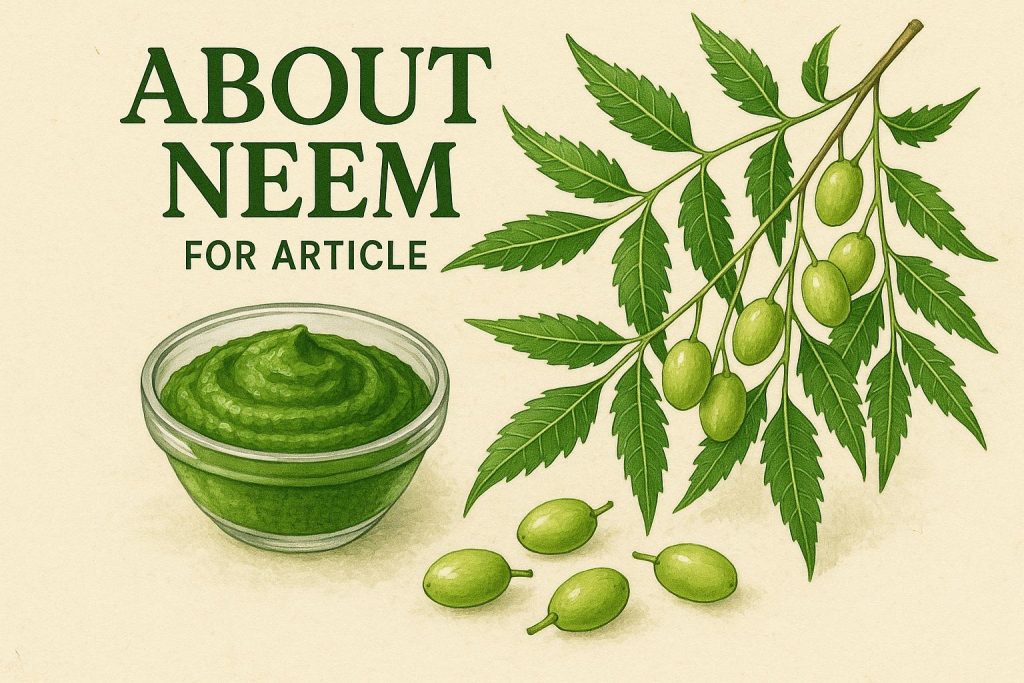
Introduction to Neem
Neem, scientifically known as Azadirachta indica, is a remarkable tree indigenous to the Indian subcontinent. Its extensive array of applications across various sectors such as agriculture, medicine, and personal care has elevated its status and broadened its use around the globe. Known for its ability to adapt and thrive, neem flourishes in tropical and subtropical climates but can survive in a range of environmental conditions, showcasing its resilience.
Botanical Characteristics
The neem tree is distinguished by its significant height, often reaching up to 20 meters. It features a dense canopy composed of pinnate leaves that contribute to its lush appearance. During its flowering season, the tree bears small, delicate white flowers. Its fruits are oval, transitioning to a yellow hue as they ripen, adding aesthetic value to its robust structure. Integral to its wide array of applications are the seeds, leaves, bark, and roots of the neem tree. These aspects harbor a variety of compounds, with azadirachtin standing out due to its significant contributions to the tree’s renowned beneficial properties.
Medicinal Uses
Historically, neem has played a pivotal role in traditional medical practices, particularly in Ayurveda, an ancient system of medicine with roots in the Indian subcontinent. Its known therapeutic properties include anti-inflammatory, antifungal, and antibacterial effects, making it a versatile compound in various treatments. Neem leaves and oil have been particularly effective in addressing a multitude of skin conditions. Conditions such as eczema, acne, and psoriasis have seen improvements with the application of neem-based treatments. Its perceived ability to bolster the immune system further extends its utility in preventive health, reducing the likelihood of infections and contributing to overall wellness.
Neem in Agriculture
In the realm of agriculture, neem has established its importance, especially as an eco-friendly pesticide. Neem owes its pesticidal properties primarily to the azadirachtin compound, which acts as a potent insect repellent. Unlike traditional synthetic pesticides, neem does not adversely affect beneficial insects, allowing them to continue thriving while pest populations are controlled. Moreover, neem’s role extends to enhancing soil quality. Products like neem oil and neem cake, the latter being a byproduct of neem oil extraction, are utilized to improve soil fertility, thus supporting sustainable agricultural practices.
Personal Care Products
Neem’s beneficial properties have also led to its inclusion in a variety of personal care products. These range from soaps and shampoos to toothpaste, each leveraging neem’s antibacterial and antifungal capabilities. In oral hygiene, neem has demonstrated effectiveness in promoting healthier gums and reducing plaque buildup, making it a valuable ingredient in toothpaste formulations. Its usage in shampoos addresses issues such as dandruff due to its scalp-friendly properties. Thus, neem contributes not only to enhanced health but also to personal grooming routines, supporting both hygiene and aesthetic goals.
To expand your understanding of neem and gain deeper insights into its applications and benefits, you might explore the comprehensive information available in this research article, which provides a detailed exploration of its multifaceted uses.
