

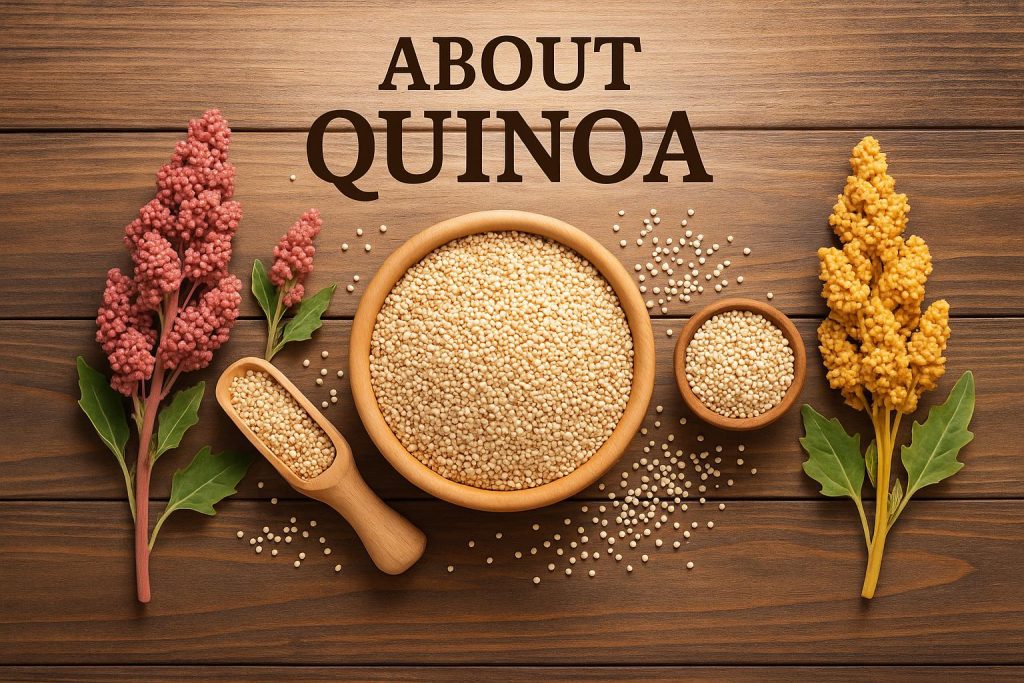
Introduction to Quinoa
Quinoa is a grain crop that has gained immense popularity worldwide, particularly for its high nutritional value and versatility in culinary applications. Originating from the Andean region of South America, quinoa is often referred to as a “superfood” due to its rich composition of vitamins, minerals, and essential amino acids.
Botanical Background
Quinoa belongs to the amaranth family, scientifically known as Chenopodium quinoa. Unlike other grains such as wheat or corn, quinoa is technically a seed, which is why it is often classified as a pseudocereal. This classification gives it unique properties in terms of cultivation and nutritional composition compared to true cereals.
The plant thrives in environments that many other crops may find challenging, such as high altitudes and poor soil conditions typical of the Andes. Quinoa is remarkably resilient, with the ability to endure cold, drought, and saline conditions, making it a viable agricultural option amid changing climate patterns and a growing global population.
Nutritional Profile
Quinoa is celebrated for its exceptional nutritional profile. Proteins present in quinoa are complete, meaning they contain all nine essential amino acids needed by the human body. It is particularly rich in lysine, which is less common in other plant-based sources. This makes quinoa an excellent dietary choice, especially for vegetarians and vegans who need to ensure an adequate intake of all essential amino acids through plant-based foods.
In addition to proteins, quinoa provides a good amount of dietary fiber, which aids in digestion and promotes a feeling of fullness. It also contains significant levels of iron, magnesium, manganese, and phosphorus. Iron is crucial for maintaining healthy red blood cells, while magnesium supports numerous biochemical reactions in the body, including those affecting muscle and nerve function. Manganese plays a role in bone formation and phosphorus assists in the formation of bones and teeth. Moreover, quinoa provides small amounts of omega-3 fatty acids, which are generally found in higher concentrations in animal products, making it a valuable addition to a predominantly plant-based diet.
Health Benefits
Due to its nutritional density, quinoa offers multiple health benefits:
Cardiovascular Health: Being a source of good fats and fiber, quinoa helps in reducing cholesterol levels, thereby supporting heart health. Fiber helps to reduce LDL cholesterol, known as the “bad” cholesterol, which is a leading contributor to heart disease. The presence of potassium and magnesium also aids in maintaining a healthy blood pressure level, further enhancing cardiovascular health.
Diabetes Management: The low glycemic index of quinoa aids in the slow release of sugar into the bloodstream, beneficial for blood sugar control. This property makes quinoa a valuable dietary component for individuals with diabetes or those at risk of diabetes, as it helps to avoid sharp blood sugar spikes that are harmful over time.
Gluten-Free Diet: As a gluten-free grain, quinoa is ideal for individuals with celiac disease or gluten intolerance. It offers a nutritious alternative to traditional gluten-containing grains, providing vital nutrients without causing inflammatory responses. This makes quinoa an excellent choice for maintaining a balanced diet despite dietary restrictions.
For a deeper dive into the health benefits of quinoa, readers can explore resources from reputable health organizations.
Culinary Uses
Quinoa’s versatility allows it to be used in a variety of dishes, ranging from salads and soups to breakfast cereals. It has a naturally nutty flavor, which enhances when toasted slightly before cooking. The cooking process is straightforward: rinse thoroughly under cold water to remove the natural coating called saponin, which can be bitter, then boil with water or broth in a 2:1 ratio until it becomes tender and translucent.
The adaptability of quinoa in different cuisines has led to its widespread incorporation into modern diets. It blends seamlessly with a variety of flavors and can be used as a healthy alternative to rice or couscous. Whether it’s served as a side dish, incorporated into veggie burgers, or used as a topping on acai bowls, quinoa’s texture and taste make it a highly desirable component in both elaborate and simple meals.
For innovative quinoa recipes, food blogs and culinary websites offer extensive ideas and inspiration. These resources can guide both novice and experienced cooks in creating dishes that harness the health benefits and culinary qualities of quinoa.
Conclusion
Quinoa remains a valuable addition to healthy eating plans due to its remarkable nutritional benefits and culinary flexibility. It has established itself as a staple not just in traditional South American cuisine but also in kitchens across the globe, merging nutritional adequacy with culinary creativity.
As more people become conscious of their health and dietary choices, quinoa’s popularity is likely to keep growing. Its ability to adapt to various taste palettes and dietary requirements makes it an indispensable element in the pursuit of a balanced and health-conscious lifestyle.
