

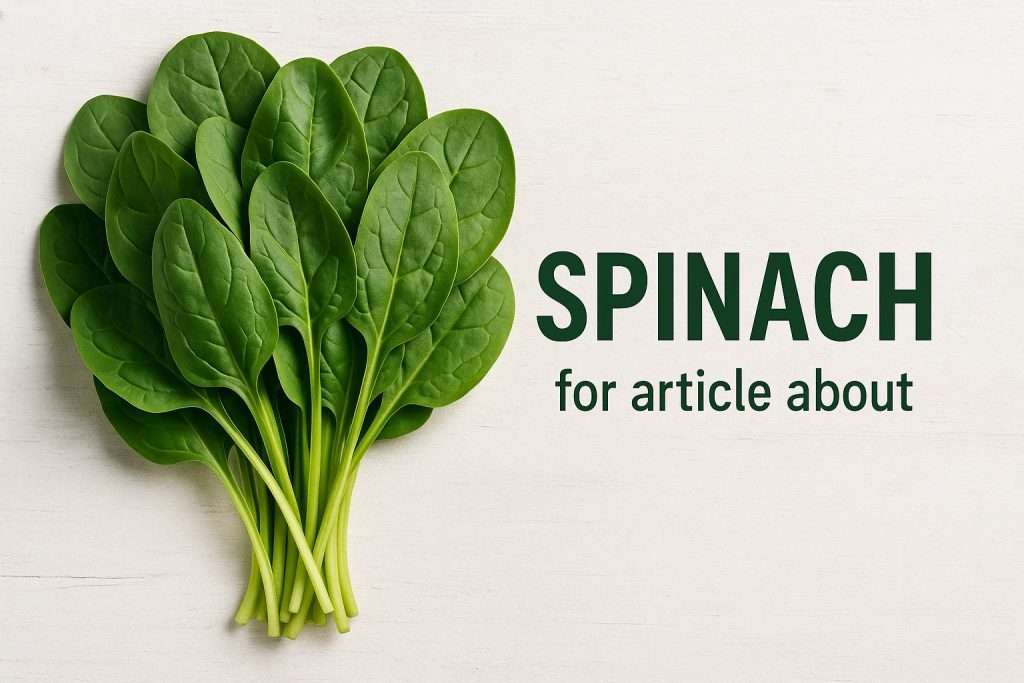
Introduction to Spinach
Spinach, known scientifically as *Spinacia oleracea*, is a leafy green flowering plant that originates from central and western Asia. It belongs to the amaranth family and shares a botanical relationship with beets and quinoa. Recognized for its high nutritional value, spinach has become a dietary staple in various cultures worldwide. Its versatility in the kitchen, combined with its rich nutrient profile, makes it a popular choice for those seeking to enrich their diets with health-boosting ingredients.
Nutritional Profile
Spinach stands out for its dense concentration of essential nutrients and antioxidants. Among its most notable components are vitamins A, C, and K1, as well as folic acid, iron, and calcium. These nutrients play significant roles in maintaining the body’s health, supporting everything from vision and immune function to blood clotting and fetal development. Individuals striving to enhance their nutritional intake will find spinach an excellent addition to their meals, contributing a meaningful portion of the daily recommended intake of various vitamins and minerals.
Vitamins and Antioxidants
Spinach is particularly rich in vitamins critical for myriad bodily functions. Vitamin A is indispensable for sustaining healthy vision and strengthening the immune system. It aids in the maintenance of healthy skin and the functioning of organs. Vitamin C acts as a powerful antioxidant, facilitating the repair and growth of tissues, helping heal wounds, and maintaining healthy cartilage, bones, and teeth. Additionally, it enhances the absorption of iron from plant-based foods.
Vitamin K1 plays a specialized role in blood clotting, ensuring that injuries heal properly and preventing excessive bleeding. Meanwhile, folic acid (or folate) is essential for DNA synthesis and repair. This vitamin is especially crucial during periods of rapid growth, such as pregnancy and infancy, underscoring the importance of spinach as a dietary component for expectant mothers.
Minerals in Spinach
In addition to its rich vitamin content, spinach is also packed with vital minerals. Iron is particularly important for the creation of hemoglobin, the protein in red blood cells that transports oxygen throughout the body. Though spinach contains iron, it is non-heme iron, which is less easily absorbed by the body compared to the heme iron found in animal products. Pairing spinach with vitamin C-rich foods can enhance the absorption of this iron.
Spinach also provides calcium, although the presence of oxalates in spinach can inhibit calcium absorption. These compounds bind to calcium, reducing its availability to the body. Nevertheless, combining spinach with foods high in vitamin C or consuming it in moderation as part of a diverse diet can help maximize calcium intake.
Health Benefits
Spinach consumption is associated with numerous health benefits, partly due to its impressive antioxidant levels. These antioxidants help mitigate oxidative stress—a condition that can lead to cellular damage and increase the risk of chronic diseases, including heart disease, diabetes, and cancer. By counteracting oxidative stress, spinach supports overall health and longevity.
The role of spinach in promoting cardiovascular health is another area of interest. Spinach’s high nitrate content has been linked to improved blood flow and reduced blood pressure levels, contributing to cardiovascular well-being. Nitrates are converted into nitric oxide in the body, a molecule that aids in the dilation of blood vessels, facilitating better blood circulation and decreasing heart strain.
Culinary Uses
Spinach is celebrated for its culinary versatility, seamlessly fitting into a multitude of dishes. Raw spinach can transform salads, adding a fresh, vibrant green and a mild flavor that pairs well with a variety of other ingredients. Cooked spinach, known for its soft and tender texture, is a staple in soups and stews, where it adds both nutrition and flavor.
Spinach can also be blended into smoothies, offering a nutrient boost without overwhelming other flavors. In baking, spinach finds its way into savory pies and quiches, contributing both taste and visual appeal. Cooking methods play a crucial role in preserving spinach’s nutrient content; therefore, techniques such as steaming and microwaving are recommended to minimize nutrient loss that may occur with boiling.
Growing and Availability
Cultivating spinach is relatively straightforward, as the plant thrives in cool climates. It can be grown in home gardens, offering a consistent supply of fresh greens throughout its growing season. Spinach’s adaptability to different soil types and its relatively short growth period make it a favorable choice for gardeners.
Availability
When shopping, seek out spinach leaves that are vibrant in color, firm, and free from any signs of wilting, which indicate freshness. The widespread availability of spinach in supermarkets globally makes it an accessible option for most consumers. Fortunately, even when spinach is not in season, it is commonly available in a frozen form, which adequately retains its nutritional value, offering a convenient and long-lasting alternative to fresh spinach.
Conclusion
Spinach is a highly nutritious and adaptable ingredient in culinary practices. Its rich content of vitamins and minerals offers an array of health benefits, from supporting vision and immune function to promoting cardiovascular health. The ease with which spinach can be integrated into a variety of dishes enhances its appeal to health-conscious individuals seeking to elevate their dietary habits. By understanding spinach’s nutritional attributes and the best cooking practices, individuals can maximize the health advantages this leafy green offers, solidifying its place as a vital component of a balanced diet.
