

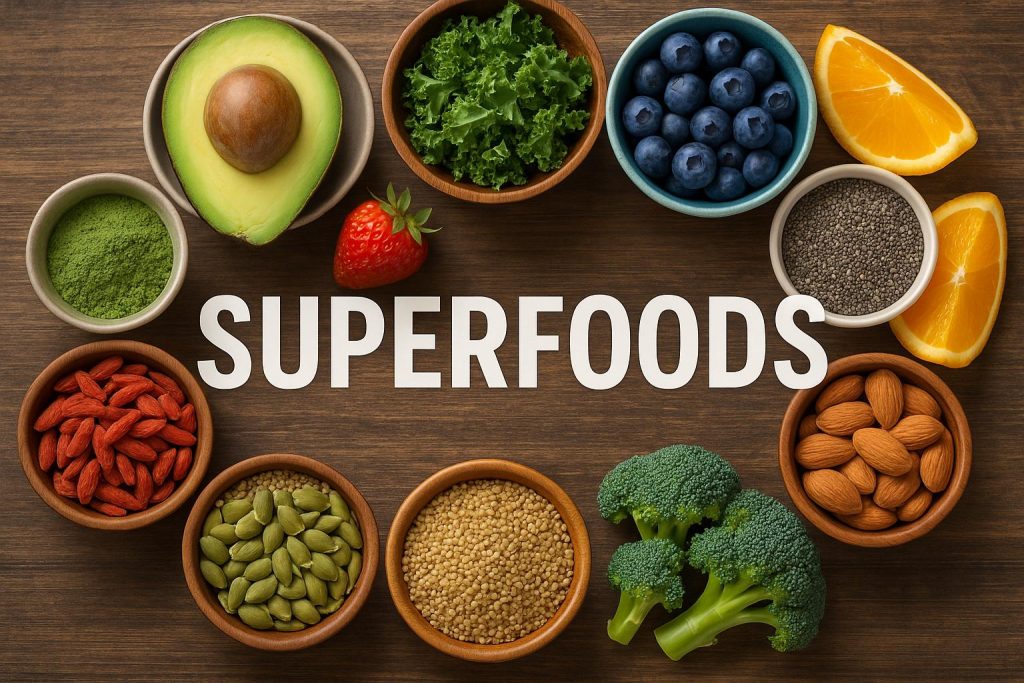
The Role of Superfoods in Nutrition
Superfoods have increasingly captured the attention of health enthusiasts and nutritionists globally. This growing hype around these foods is primarily due to their dense nutritional profiles and the supposed benefits they present concerning health and wellness. With their high concentrations of vital nutrients, superfoods are reputed to play a significant role in dietary regimes. They offer valuable micronutrients such as antioxidants, vitamins, and minerals, all of which are crucial in maintaining a balanced and healthy diet. Beyond fulfilling nutritional requirements, superfoods have the potential to enhance the effects of other healthful habits and can be integrated seamlessly into various aspects of daily life.
Defining Superfoods
The term superfood is often used to describe foods rich in elements that support the prevention of chronic diseases and bolster both physical and mental health. These foods are typically high in antioxidants and phytochemicals, compounds known for their disease-fighting properties. However, it must be noted that no single food item can single-handedly provide all the nutrients required for optimal health. Instead, superfoods should be viewed as complementary components of a diverse and balanced diet. By including a range of nutrient-dense foods, one can enjoy a more comprehensive range of health benefits.
Popular Superfoods
A few foods consistently come up in discussions around superfoods due to their exceptional nutrient content. Among these are various berries like blueberries and acai, leafy greens such as kale and spinach, and seeds and nuts like chia seeds and almonds. Each offers unique health benefits attributable to their specific nutrient profiles. By understanding these profiles, individuals can tailor their dietary choices to meet specific health goals.
Blueberries
Known for their vibrant color and sweet flavor, blueberries are packed with antioxidants, particularly flavonoids. Research indicates that regular consumption of blueberries may help in reducing inflammation and lowering the risk of developing heart disease. Their versatility makes them easy to incorporate into a variety of meals, whether sprinkled over breakfast cereals or included in fresh salads to add a burst of flavor and nutrition.
Kale
Renowned as a nutritional powerhouse, kale stands out with its impressive content of vitamins A, K, and C, along with numerous other essential nutrients. Its uses are as diverse as its benefits, allowing incorporation into salads and smoothies, or as a cooked side dish. The abundance of nutrients in kale makes it an excellent addition to any meal aiming to enhance health. For culinary ideas, many resources are available that provide guidance on how to maximize its benefits in everyday meals.
Health Benefits
Incorporating superfoods into diet plans can offer several health advantages, ranging from aiding weight management due to their low-calorie content to improving immune function and boosting energy levels. The concentrated nutrients found in superfoods contribute to an overall sense of well-being and can aid in developing a resilient health profile.
Antioxidant Properties
One of the most notable aspects of superfoods is their high antioxidant content, particularly in foods like berries and dark chocolate. Antioxidants are vital in combating oxidative stress, which is a significant contributor to chronic diseases. They work by neutralizing free radicals—unsteady molecules that can damage cells and are associated with aging and various diseases. By including antioxidant-rich foods, individuals can help protect their bodies from this molecular damage, potentially reducing the risk of long-term health issues.
Incorporating Superfoods in Your Diet
Ease of inclusion is one of the key benefits of superfoods. Introducing them into your daily diet can begin with small adjustments and does not require drastic changes. For instance, adding seeds and nuts to your breakfast routine or replacing less nutritious snacks with options like berries could gradually improve nutritional intake. These simple swaps can cumulatively lead to significant health benefits over time. Numerous resources offer detailed guidance on making these dietary adjustments practical and enjoyable.
Moderation and Balance
While superfoods are beneficial, it is paramount to consider moderation and balance in consumption. Excessive intake of any single food does not correlate with enhanced health benefits and can even lead to negative effects. True wellness is achieved through a balanced approach, which includes a varied diet, regular physical activity, and other healthy lifestyle choices. Superfoods should be seen as complementary to these broader habits, rather than the sole focus.
An understanding of how superfoods contribute to diet and wellness enables individuals to make informed nutritional decisions. These choices not only enhance physical health but also contribute positively to mental well-being, thereby improving the overall quality of life. Through a balanced approach that integrates a diverse array of nutrient-rich foods, individuals can maximize the potential health benefits offered by superfoods, leading to sustained health improvements.
