

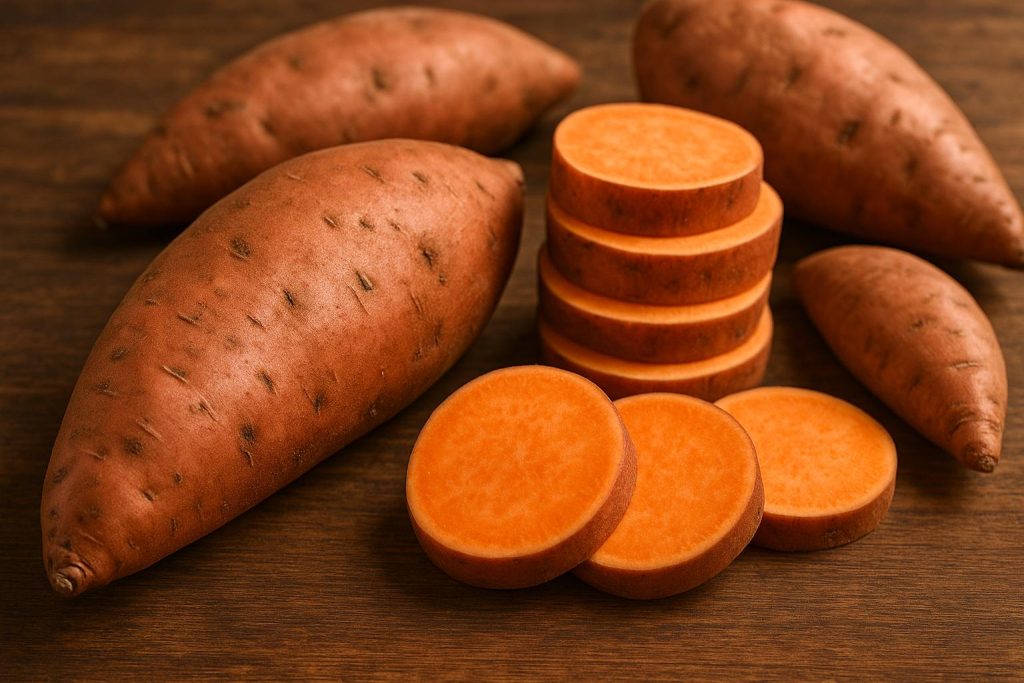
Introduction to Sweet Potatoes
The sweet potato, scientifically known as Ipomoea batatas, is a root vegetable widely cultivated for its nutritious value and versatility in culinary applications. It is distinct from the regular potato and is often confused with yams, although they belong to different plant families.
Origins and Cultivation
Sweet potatoes are believed to have originated in Central or South America. They thrive in tropical and subtropical climates and are now grown in many regions worldwide, encompassing continents such as North America, Asia, and Africa, where they are integral to local diets and economies. The plant is a perennial in tropical areas and an annual in temperate zones, adapting to various growing conditions.
Historical Significance
Historically, sweet potatoes have been a part of human agriculture for thousands of years. Archaeological evidence suggests that they were domesticated over 5,000 years ago. Their long history of cultivation reflects their importance as a food source throughout centuries. They were brought to Europe by explorers during the Age of Discovery and later spread to other parts of the world due to their ease of growth and nutritional benefits.
Ideal Growing Conditions
The optimal conditions for growing sweet potatoes include well-drained sandy soil and full sun exposure. These conditions ensure that the tubers develop completely and accumulate nutrients effectively. Farmers favor a warm climate, typically between 70°F and 85°F, which allows for optimal growth. Proper irrigation and timely planting are crucial to prevent disease and promote a healthy yield.
Nutritional Profile
Sweet potatoes are a rich source of essential nutrients, offering significant amounts of vitamins and minerals. The vibrant orange flesh of many varieties is due to high levels of beta-carotene, a powerful antioxidant that the body converts into vitamin A. This nutrient is vital for maintaining healthy vision, skin, and immune function. In addition to beta-carotene, sweet potatoes are abundant in vitamin C, manganese, and dietary fiber.
Health Benefits
The health benefits of consuming sweet potatoes are extensive. Their high fiber content aids in digestive health, potentially lowering the risk of colon cancer. The presence of complex carbohydrates provides a steady source of energy, making them a suitable choice for sustained physical activity. Antioxidants in sweet potatoes help combat oxidative stress, which can reduce the risk of chronic diseases such as heart disease and cancer. Moreover, their low glycemic index can support blood sugar management, making them a suitable option for individuals with diabetes.
Uses in Cuisine
Sweet potatoes are highly versatile and consumed in various ways across the globe, reflecting cultural preferences and culinary innovations. Whether baked, boiled, steamed, or fried, they adapt to diverse recipes with ease. In many Western countries, they are popularly prepared as sweet potato fries, which can be a healthier alternative to traditional potato fries when baked rather than fried.
Savory Dishes
In savory applications, sweet potatoes are often mashed and seasoned with herbs and spices to complement main dishes. They are commonly added to soups and stews, providing a natural sweetness that balances savory flavors. Sweet potatoes are also utilized in casseroles, paired with ingredients like cheese and cream for enhanced richness.
Sweet Dishes
Their inherent sweetness makes sweet potatoes an excellent choice for desserts. They are a staple in traditional dishes such as sweet potato pie, often enjoyed during Thanksgiving in the United States. In other regions, sweet potatoes are candied or used in puddings and cakes. Their sweetness can intensify when roasted, offering a caramelized flavor profile.
Conclusion
Sweet potatoes are more than just a staple carbohydrate source; they are a nutritious root vegetable with a broad culinary appeal. As awareness of healthy eating grows, sweet potatoes continue to gain popularity across the globe. They offer a versatile and nutritious option for both traditional and modern culinary practices, enjoying timeless significance in diverse cultural cuisines. For those interested in cultivating sweet potatoes or exploring their uses further, various resources are available online, such as the extension services, which offer extensive guidance on agricultural practices. With their health benefits and adaptability, sweet potatoes remain a valuable component of diets worldwide, contributing to balanced and flavorful dishes.
