

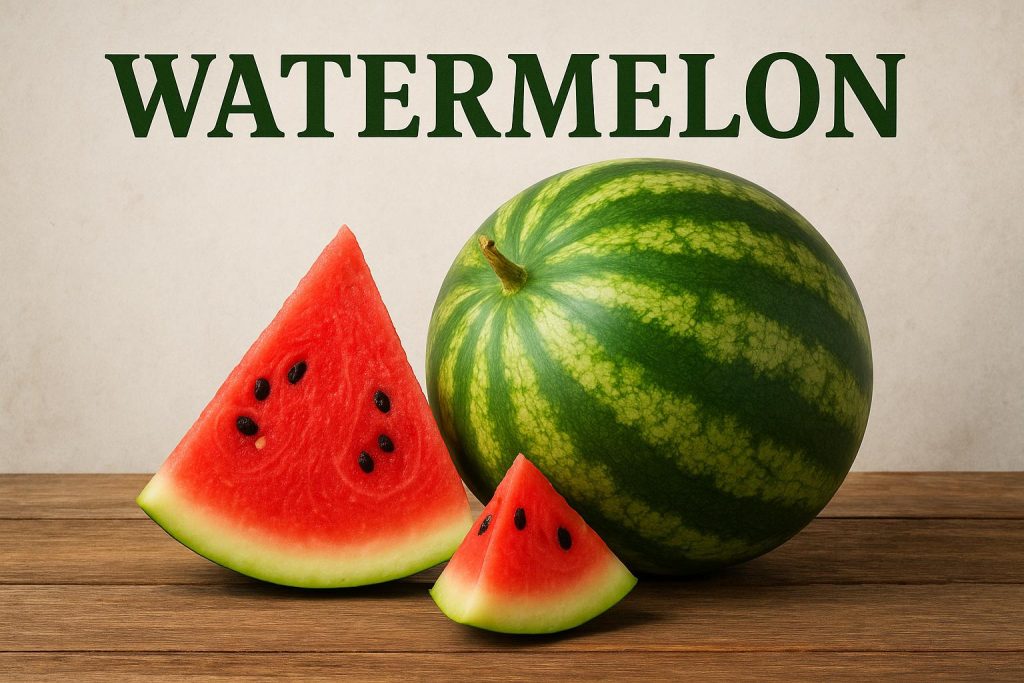
Introduction to Watermelon
Watermelon is a fruit known for its refreshing taste and high water content. It is classified botanically as a berry and belongs to the Cucurbitaceae family, which includes cucumbers, pumpkins, and zucchinis. Its origin is traced back to Africa, where it has been cultivated for thousands of years. Watermelon’s introduction to other parts of the world has expanded its cultivation and consumption significantly, becoming a popular summer fruit in many countries.
Botanical Characteristics
Watermelons grow on a vine-like plant that produces both male and female flowers. These plants flourish in suitable climates, leading to the production of large fruits. Typically, the fruit has a smooth, hard rind that can vary in color from green with dark stripes to a uniform yellow. The rind encases a juicy interior, which is most commonly red or pink. However, some varieties showcase yellow, orange, or even white flesh. The flesh is dotted with seeds, although seedless varieties have become increasingly popular.
Varieties of Watermelon
Watermelons come in numerous types, each thriving under certain conditions and suited to diverse preferences.
Picnic Watermelon: These traditional large-sized watermelons are well-known for their size, weighing between 15 to 45 pounds. They are perfect for large gatherings due to their substantial yield of flesh. The familiar oblong shape and red flesh make them a classic choice for summer picnics.
Icebox Watermelon: Smaller and more manageable in size, these watermelons weigh between 5 to 15 pounds. Their compact size makes them more convenient to store in household refrigerators, hence the name “icebox.” They offer all the flavor of larger varieties in a more consumable format for smaller households.
Seedless Watermelon: Developed through hybridization, these varieties have few or no seeds, making them particularly popular among consumers who prefer less mess. Seedless watermelons usually bear red or pink flesh and, because of consumer demand, are found in a wide range of sizes, comparable to both picnic and icebox varieties.
Nutritional Value
Watermelon is praised for being a low-calorie fruit packed with a variety of essential nutrients. About 90% of its structure is water, making it an exceptional choice for hydration. A typical serving contains a wealth of vitamin C and vitamin A, which are vital for various bodily functions, including immune response and vision health. Moreover, watermelon is a rich source of lycopene, a powerful antioxidant known to aid in reducing the risk of chronic illnesses. In addition to lycopene, watermelon contains potassium and magnesium, minerals important in maintaining cardiovascular health.
Additional Health Benefits
Beyond basic nutrition, watermelon offers benefits that cater to more specific health aspects. Lycopene has been linked to potential skin health improvement along with its antioxidant properties. Watermelon consumption has been associated with muscle soreness relief, attributed to its amino acid content, making it favorable for athletes. Furthermore, its fiber content supports a healthy digestive system, contributing to regular bowel movements and gut health.
Cultivation and Harvesting
Growing Conditions
To produce high-quality watermelons, it is essential to cultivate them under appropriate conditions, which include a warm climate with plenty of sunlight. Watermelons thrive in well-draining soil, and the space for vine spreading is crucial. Soil pH ideally ranges between 6.0 and 6.8, and consistent moisture levels play a critical role in the development of the fruit. Ensuring these conditions are met contributes significantly to a successful yield.
Pollination
Pollination is a vital aspect of watermelon cultivation, primarily achieved through bee activity. Bees transfer pollen from male to female flowers, a process necessary for fruit set and development. Farmers often encourage bee activity naturally or through managed pollination techniques to ensure their crops are fertilized adequately. Harvesting typically occurs 70 to 90 days after planting, based on weather conditions and variety.
Pest and Disease Management
Effective management of pests and diseases is crucial for a successful watermelon harvest. Pests such as aphids, cucumber beetles, and cutworms can damage the crop, while diseases like powdery mildew and fusarium wilt can significantly reduce yield quality. Integrated pest management techniques and proper crop rotation practices are often used to mitigate these issues, promoting healthier plant growth and more robust fruit production.
Uses and Consumption
Watermelon is consumed in numerous forms, adding versatility to its appeal. Generally eaten fresh, it can be sliced, cubed, or mixed into fruit salads. Refreshing beverages can be prepared using watermelon juice, such as smoothies or infused drinks. Beyond direct consumption, its seeds are nutritious and edible when roasted, providing a crunchy snack or ingredient for baking. The rind, often discarded, is edible as well and can be pickled or stir-fried in various cuisines, offering unique flavor profiles and minimizing waste.
Culinary Innovations
The culinary use of watermelon has expanded beyond traditional methods. Its mild, sweet flavor functions as a base for various concoctions such as sorbets, granitas, and even water-based candies. Creative chefs have explored using watermelon in savory dishes, such as salads with herbs and cheeses or grilled as a vegetable alternative. Its ability to adapt to both sweet and savory dishes highlights its versatility in the culinary world.
Conclusion
Watermelon is more than just a refreshing and hydrating fruit; it is a valuable addition to any diet, brimming with nutritional benefits. Its historical roots, diverse varieties, and health attributes make it a staple in cultures across the globe. For those interested in the intricacies of its cultivation or seeking new recipes, watermelon offers endless possibilities. For more detailed insights into watermelon cultivation techniques and recipes, visit here.
