

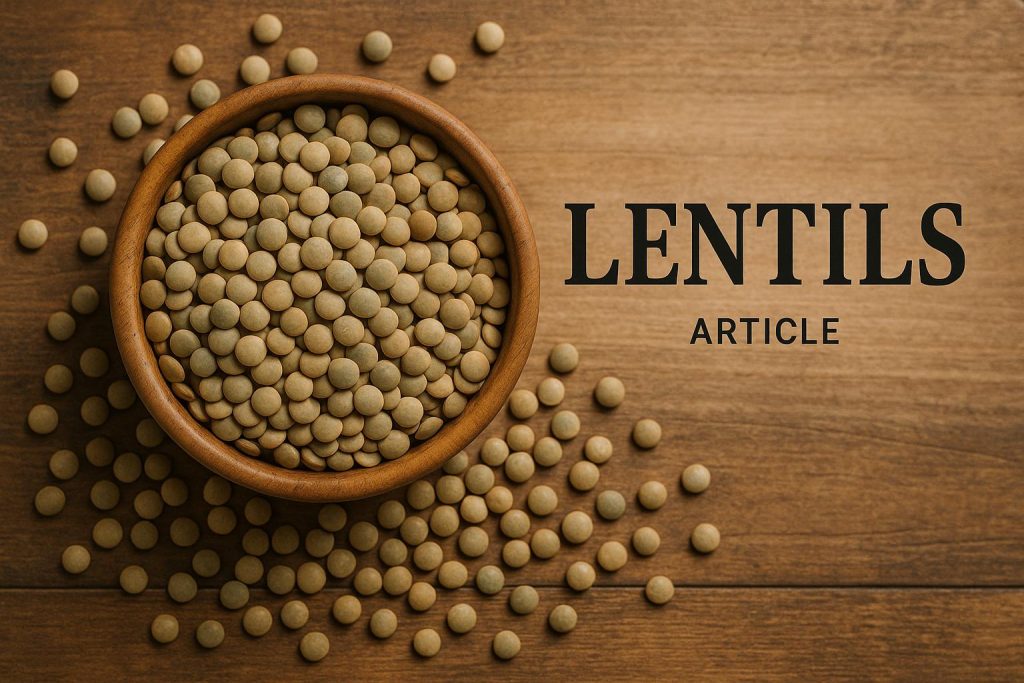
Introduction to Lentils
Lentils, a type of pulse, have long been celebrated for their remarkable nutritional benefits and their diverse uses in culinary practices. As a member of the legume family, lentils have been a staple in human diets for thousands of years. Their rich content of proteins and essential nutrients makes them an invaluable component of any diet, offering a wide range of health benefits.
Nutritional Value of Lentils
Lentils are well-regarded as a nutritional powerhouse. They are particularly noted for their high protein content, providing an excellent dietary option for vegetarians and vegans. A single cup of cooked lentils contains approximately 18 grams of protein, a substantial contribution to daily protein needs. Beyond their protein content, lentils are rich in dietary fiber, which plays a crucial role in promoting healthy digestion. They also serve as a significant source of essential vitamins and minerals, including iron, folate, and magnesium. Iron aids in the prevention of anemia, while folate is vital for heart health and plays an important role in fetal development during pregnancy.
Health Benefits
Regular consumption of lentils can have a profound impact on health. Their high fiber content contributes to maintaining digestive health, facilitating regular bowel movements, and may help in keeping cholesterol levels in check. Additionally, this fiber content can assist in regulating blood sugar levels, offering benefits to individuals with diabetes by preventing rapid spikes in blood glucose. The presence of iron combats anemia by supporting the production of red blood cells, while folate helps reduce the risk of heart disease and supports a healthy pregnancy by aiding the development of the fetal nervous system. Furthermore, lentils are rich in antioxidants, which play a critical role in promoting overall health by neutralizing harmful free radicals and reducing oxidative stress within the body.
Culinary Uses
Lentils are exceptionally versatile and adaptable in the kitchen, owing to their varied types such as green, brown, red, and black lentils. Each type offers unique flavors and textures that can enhance a variety of culinary creations. Lentils can be used in soups, stews, salads, and can even serve as a meat alternative in certain recipes. For instance, red lentils cook quickly, making them ideal for creamy soups or pureed dishes, offering a smooth texture and slightly sweet flavor. In contrast, green and brown lentils maintain their shape after cooking, making them perfect for use in salads, side dishes, or as a base for hearty meals. They can be infused with various spices and herbs to create flavorful dishes, suitable for a wide range of palates.
Cooking Tips
When preparing lentils, it’s not necessary to soak them beforehand, which differentiates them from many other legumes. However, it is advisable to rinse them thoroughly under cold water to eliminate any debris or impurities. The cooking time of lentils varies depending on the type chosen. Red lentils, for example, have a cooking time of about 15-20 minutes due to their small size and softer texture. In contrast, green and brown lentils, which are firmer, require approximately 30-40 minutes to cook. To enhance the flavor profile of lentils, consider cooking them with spices such as cumin, coriander, or bay leaves, which can add depth and complexity to simple dishes. For specific recipes and cooking methods, exploring reputable culinary sources or specialized cookbooks can provide more detailed guidance and inspiration for incorporating lentils into your meal planning.
Environmental Impact
Beyond their nutritional and culinary applications, lentils also play a significant role in sustainable agriculture. They are considered a low-impact crop, requiring significantly less water and fertilizer compared to other protein sources such as beef or pork. This characteristic makes lentils an environmentally friendly choice, particularly for individuals aiming to reduce their carbon footprint through mindful dietary choices. Additionally, lentils contribute to soil health by fixing nitrogen in the soil, which can aid in improving the fertility of the land and reducing the need for synthetic fertilizers.
In summary, lentils not only represent a highly nutritious and cost-effective food option but also offer substantial benefits for both personal health and environmental sustainability. By incorporating lentils into your diet, you can embrace a wholesome and environmentally conscious approach to eating. Exploring different types of lentils and utilizing their versatility in cooking can enhance your culinary experiences while contributing to a healthier lifestyle and a more sustainable planet.
