

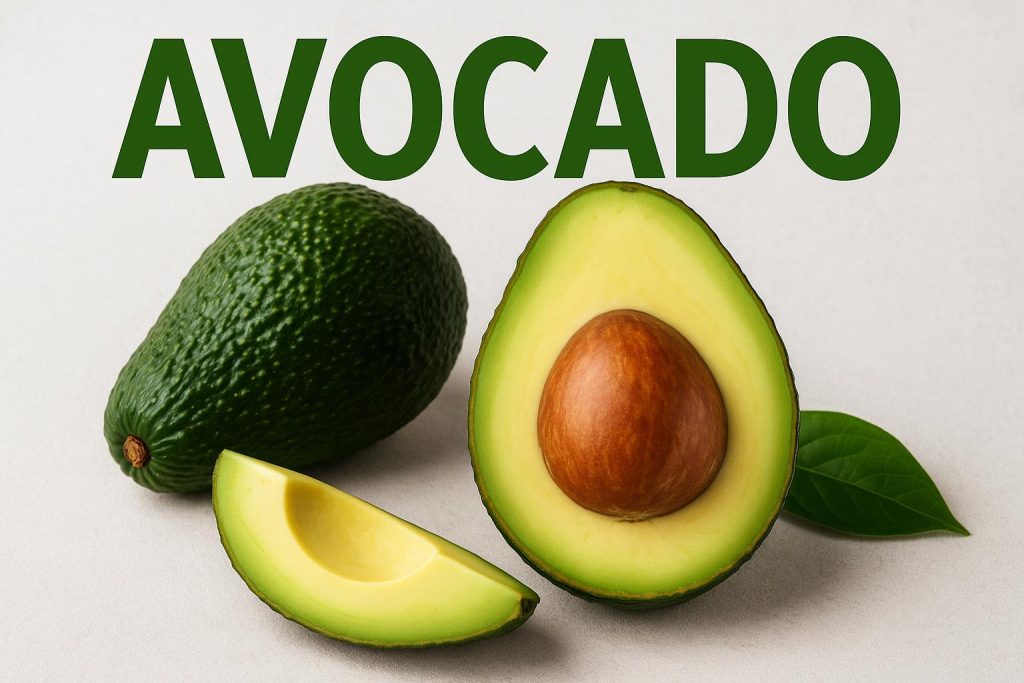
The Avocado: An Overview
The avocado, scientifically known as Persea americana, is a unique fruit originating from the south-central region of Mexico. Its creamy texture, distinct flavor, and myriad of health benefits have led the avocado to become a staple in diets worldwide. As a versatile and nutritious component of many dishes, it has bridged cultural gaps and brought diverse culinary traditions together.
Historical Background
The history of the avocado stretches back more than 7,000 years. Archaeological findings have shown that avocados were cultivated by ancient Mesoamerican civilizations, such as the Aztecs and the Maya. These cultures held the avocado in high esteem, not only for its delicious taste but also for its health-promoting qualities. Their usage of avocados in various dishes has influenced modern cuisines, highlighting the perennial importance of this fruit.
Global Cultivation
Today, avocados are cultivated in numerous tropical and subtropical regions worldwide. Mexico remains the leading producer, followed by other countries like the Dominican Republic, Peru, and Colombia. To thrive, avocados require well-drained soil, plenty of sunlight, and a climate free from frost. These conditions are crucial for optimal growth, as avocados have specific requirements for developing their signature texture and flavor. The global demand for avocados continues to rise, prompting increased efforts in cultivating this fruit in suitable climates.
Nutritional Profile
The avocado is esteemed not only for its taste but also for its impressive nutritional content. Avocados are rich in healthy fats, primarily monounsaturated fats, beneficial for heart health. These fats can help reduce bad cholesterol levels, thereby promoting cardiovascular health. Additionally, avocados are an excellent source of vitamins, including vitamin K, vitamin E, and an array of B vitamins. These vitamins play crucial roles in various body functions, from blood clotting to skin health.
Furthermore, avocados are abundant in essential minerals, notably potassium and magnesium. Potassium aids in maintaining healthy blood pressure levels, while magnesium supports muscle and nerve function. The combination of vitamins and minerals in avocados makes them a powerful dietary choice for those looking to bolster their nutrient intake.
For more detailed nutritional information, consider accessing resources like those offered by the United States Department of Agriculture.
Health Benefits
Incorporating avocados into one’s diet can yield numerous health benefits. The monounsaturated fats present in avocados are not only vital for maintaining healthy cholesterol levels but also for providing sustained energy. By reducing levels of bad cholesterol, these fats contribute to lowering the risk of heart-related ailments.
Furthermore, avocados are high in dietary fiber, making them beneficial for digestion. This fiber content aids in maintaining a healthy digestive tract and contributes to a feeling of fullness, which can be advantageous for weight management. Avocados also possess antioxidant properties, as they contain compounds such as lutein and zeaxanthin, which support eye health by protecting against age-related vision issues.
Culinary Uses
The culinary uses of avocados are as diverse as they are delicious. Known for their creamy, rich texture, avocados can be enjoyed raw, sliced into salads, or blended into smoothies. They are perhaps most famously used to make guacamole, a popular Mexican dish that highlights the fruit’s unique flavor.
Beyond traditional uses, avocados offer opportunities for culinary experimentation. They can be utilized as a substitute for butter or oil in various baking recipes, adding moisture and a nutritional boost without altering the taste significantly. The adaptability of avocados in both savory and sweet dishes illustrates their versatility as a culinary ingredient.
Conclusion
In summary, the avocado continues to be a prized fruit for those seeking both nutrition and versatility in their diets. With its long-standing historical significance, substantial health benefits, and wide-ranging culinary applications, the avocado remains an invaluable addition to kitchens around the globe. Its ability to enhance meals while supporting health makes it a timeless choice for consumers worldwide.
For more information about avocado recipes and health benefits, you can visit resources such as Avocado.org.
