

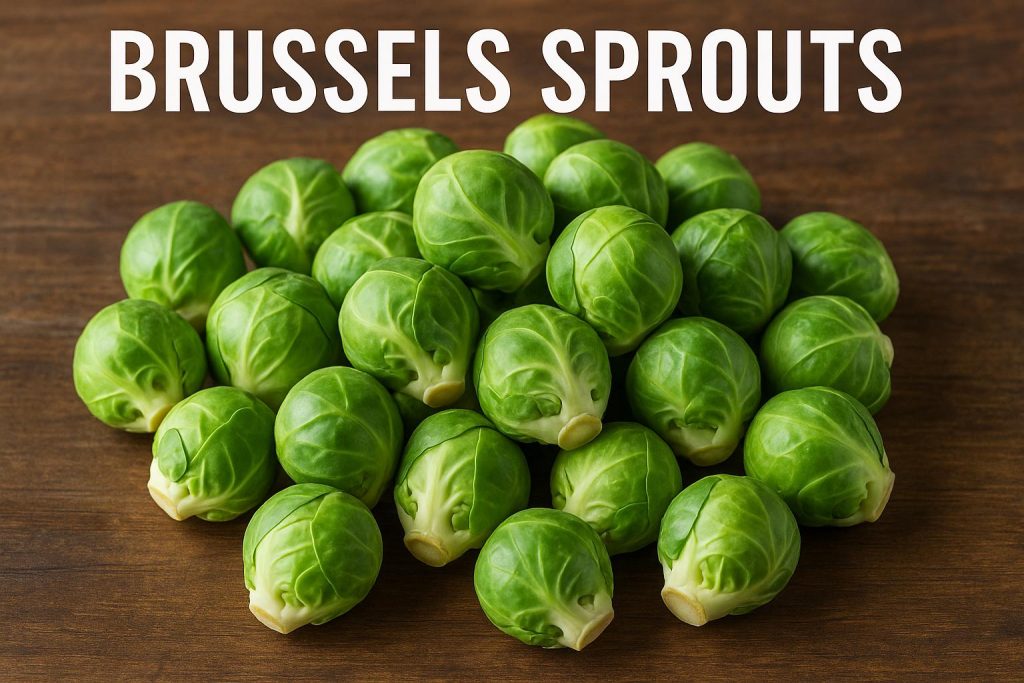
Introduction to Brussels Sprouts
Brussels sprouts, belonging to the Brassica oleracea family, are small, leafy green vegetables that resemble miniature cabbages. These nutrient-rich vegetables are widely celebrated for their health benefits and versatility in culinary applications.
Origin and History
Brussels sprouts are believed to have originated from the Mediterranean region, with their cultivation dating back to ancient Rome. Throughout history, these tiny cabbages found a prominent place in European diets. By the 16th century, they gained distinct popularity in Belgium, particularly in the city of Brussels, which is the reason behind their name. As their popularity increased over time, Brussels sprouts began to spread across Europe, eventually making their way to North America. With the advent of global trade, their cultivation expanded, bringing Brussels sprouts into diverse cuisines worldwide.
Botanical Characteristics
As members of the cabbage family, Brussels sprouts are biennial plants most often cultivated as annuals. These plants feature tall, thick stalks, typically ranging from 60 to 120 centimeters in height. Along each stalk, sprouts grow in a unique helical pattern, a formation that results in tightly packed green leaves compactly forming small heads. Each of these miniature heads resembles tiny cabbages. This growth pattern not only distinguishes Brussels sprouts but also makes them a bountiful crop, with each stalk potentially yielding several dozen sprouts.
Nutritional Profile
An outstanding feature of Brussels sprouts is their rich nutritional profile. These green vegetables are especially high in vitamins C and K. Vitamin C acts as a powerful antioxidant, playing an essential role in promoting immune function and skin health. Vitamin K is crucial for bone health and plays an important role in proper blood clotting. Furthermore, Brussels sprouts are abundant in dietary fiber, which supports digestive health. They also contain significant amounts of folate, manganese, and calcium, all vital minerals for maintaining overall bodily functions. Collectively, these nutritional attributes contribute significantly to daily vitamin and mineral intake, supporting overall health and well-being.
Culinary Uses
Brussels sprouts are versatile in the culinary world, with numerous ways to prepare and enjoy them. Chefs and home cooks alike appreciate their ability to adapt to different cooking methods. Whether roasted, steamed, sautéed, or grilled, Brussels sprouts can be a delightful addition to a variety of dishes. Their slightly bitter taste provides a unique flavor profile, which can be enhanced with complementary ingredients. Olive oil, garlic, lemon juice, or balsamic vinegar are commonly used to enhance and balance their flavors. Additionally, Brussels sprouts can be incorporated into salads, stir-fries, and casseroles, or served simply as a side dish, demonstrating their adaptability in a range of culinary settings.
Cooking Tips
For those preparing Brussels sprouts, selecting the right ones is crucial for achieving the best flavor and texture. Look for firm, bright green heads, which indicate freshness and quality. To promote even cooking, it is advisable to cut the sprouts into similar sizes. Removing the outer leaves not only improves texture but also enhances flavor by eliminating bitterness that sometimes accompanies those outer layers. An essential tip to retain the optimum nutritional value of Brussels sprouts is to avoid overcooking them. Extended exposure to heat can cause a significant loss of vital vitamins and minerals, diminishing their health benefits. Therefore, proper cooking times and techniques are essential to maintain both nutrition and taste.
Health Benefits
Including Brussels sprouts in your diet offers numerous health benefits. The high fiber content of these sprouts aids digestive health by promoting regular bowel movements and feeding beneficial gut bacteria. Their antioxidant properties contribute to reducing the risk of chronic diseases, such as heart disease and cancer, by combating oxidative stress in the body. Research has also indicated that Brussels sprouts may play a role in supporting heart health, in part due to their positive effects on cholesterol levels and their anti-inflammatory properties. Furthermore, they have been associated with maintaining healthy blood sugar levels, making them a beneficial choice for individuals managing diabetes or insulin resistance.
For those seeking additional information on the nutritional benefits and impacts of Brussels sprouts, comprehensive nutritional databases or health-focused resources can provide extensive analyses. Such materials offer deeper insights into how these vegetables contribute to health, supported by scientific research and data.
