

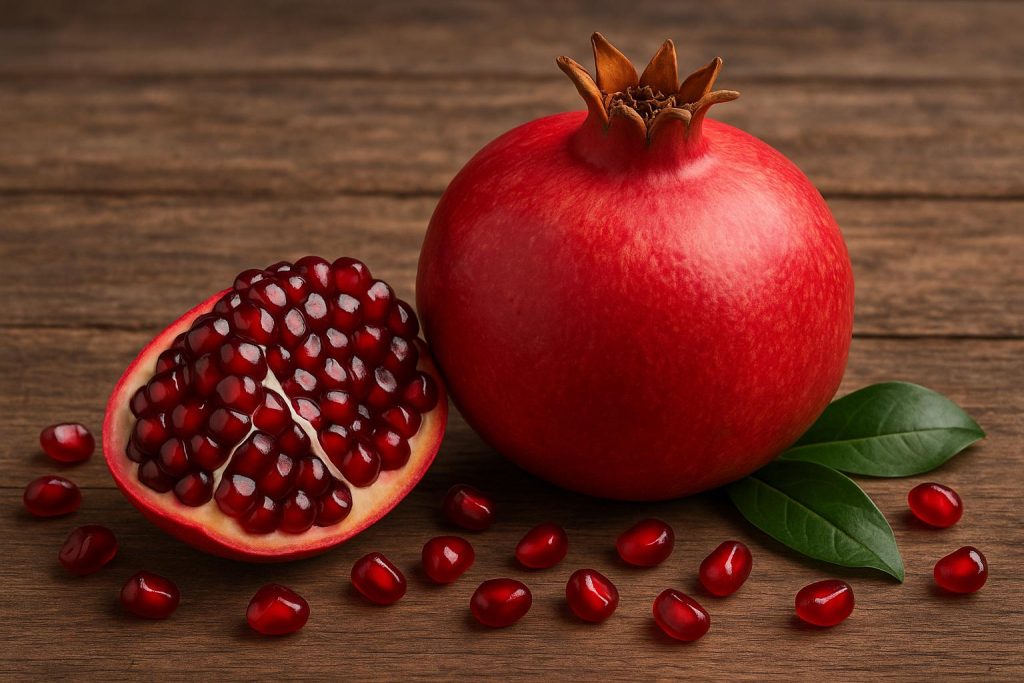
Introduction to Pomegranates
Pomegranates, known scientifically as Punica granatum, are remarkable fruit-bearing shrubs. They are indigenous to a region that spans from what is today Iran to northern India. Their cultivation has spread extensively, with large-scale farming seen across the Mediterranean region, parts of Africa, and the Americas. This widespread cultivation underscores their global popularity, driven largely by their vivid red color, juicy seeds, and a range of culinary applications.
Nutritional Profile
The nutritional richness of pomegranates is significant, contributing to their high regard as a health-promoting fruit. Among their principal nutritional components, pomegranates are an excellent source of antioxidants, notably punicalagins and anthocyanins. These compounds are potent in their antioxidant capacity, playing a protective role against oxidative stress, which can harm cells.
Beyond antioxidants, pomegranates contain a variety of essential vitamins and minerals. They are especially rich in vitamin C, a crucial nutrient that supports immune function, and vitamin K, which is vital for proper blood clotting and bone health. Furthermore, they provide a substantial amount of dietary fiber, aiding in digestive health, and contain essential minerals such as potassium, which is essential for heart function and muscle contraction.
Health Benefits
The consumption of pomegranates is associated with a multitude of health benefits, supported by scientific research and traditional medicine practices. Pomegranate’s rich antioxidant profile plays a central role in the fruit’s health-enhancing properties.
One of the key benefits of pomegranates is their potential to reduce inflammation. Chronic inflammation is a contributor to numerous diseases, including heart disease and diabetes. The anti-inflammatory effects of pomegranates can help in lowering the risk of these conditions.
Additionally, the antioxidants present in pomegranates, particularly punicalagins, are believed to support cardiovascular health. These compounds can enhance blood flow and reduce arterial stiffness, which in turn may decrease the risk of developing heart-related ailments. Some studies also suggest that pomegranate consumption could contribute to lowering blood pressure, which is an essential aspect of maintaining heart health.
Culinary Uses
Pomegranates offer remarkable versatility in culinary applications, lending their unique taste and aesthetics to a wide array of dishes. The arils, or seeds of the pomegranate, are frequently consumed raw. Their juicy, sweet-tart flavor makes them an excellent addition to salads, desserts, and yogurt, providing not only taste but also a delightful textural contrast.
Pomegranate juice is a popular derivative of the fruit, known for its refreshing taste and nutritional benefits. It’s a common ingredient in beverages, valued for its tangy flavor and vibrant color, making it appealing both in commercial products and homemade creations.
Beyond raw consumption and beverages, pomegranates have a role in various culinary traditions. The fruit is often used in sauces and as a flavor enhancer in both sweet and savory dishes. In Middle Eastern and Mediterranean cuisines, it is not uncommon to find pomegranate molasses as a key ingredient, adding depth and a subtly sweet-tart undertone to dishes.
Growing and Harvesting
The cultivation of pomegranates is favorable in regions characterized by warm, arid climates. Successful growing of this fruit requires attention to several critical factors, ensuring the plant’s health and fruit quality.
To produce quality fruit, pomegranates need well-drained soil to avoid waterlogging, which can harm the plant. Furthermore, ample sunlight is crucial as it promotes robust growth and enhances fruit development. Pomegranates are drought-tolerant to a degree, but consistent watering, especially during fruit development, can ensure the best possible yield.
The harvesting of pomegranates is ideally done once the fruit has reached full maturity. Indicators of a mature pomegranate include a deep, rich color and a weighty feel, both suggesting that the fruit is juicy and ready for consumption. Timing is important, as harvesting too early can result in less flavorful fruit, while harvesting too late can compromise the fruit’s texture and quality.
For individuals interested in cultivating their own pomegranates, detailed guides and resources are available. These resources provide comprehensive instructions on selecting the right varieties, planting techniques, irrigation practices, pest management, and harvesting strategies to maximize yield and quality.
In conclusion, pomegranates hold a distinguished place in both culinary and health domains. Their delicious flavor, coupled with their substantial health benefits, make them a prudent choice for those looking to enrich their diet. Whether consumed fresh, juiced, or as part of a prepared dish, pomegranates provide a wealth of nutrients and culinary excitement, underscoring their enduring global appeal.
