

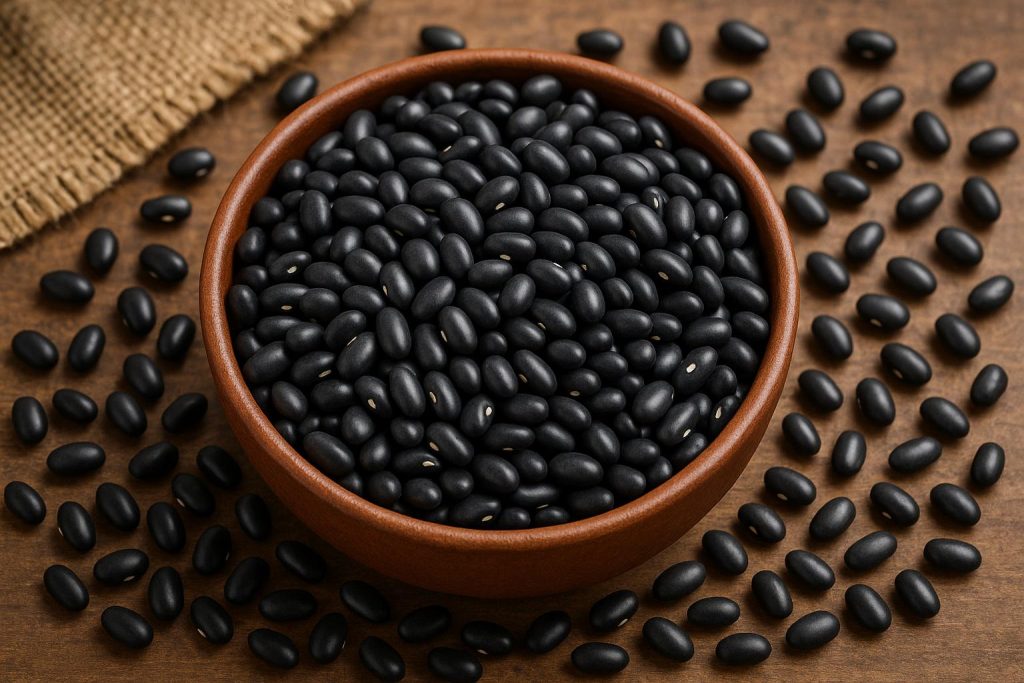
Introduction to Black Beans
Black beans, known scientifically as Phaseolus vulgaris, hold a special place in culinary traditions around the globe. With their rich, earthy flavor and firm texture, these legumes are a staple in numerous dishes, particularly within Latin American cuisine. However, black beans are not limited to this region as they are prominently featured in Caribbean, Southwestern US, and various other culinary practices. Beyond their versatility in the kitchen, black beans are celebrated for their nutritional benefits, making them an advantageous component of a balanced diet.
Nutritional Profile
The nutritional composition of black beans makes them a powerhouse of health benefits. As an excellent source of plant-based protein, black beans are particularly sought after by vegetarians and vegans seeking to enrich their diets with quality protein. In just one serving, black beans provide a significant amount of dietary fiber, crucial for digestive health. Fiber aids in maintaining a healthy digestive system by helping to regulate bowel movements and prevent constipation.
Additionally, these little beans are packed with essential vitamins and minerals. Black beans offer a good supply of folate, a vitamin vital for various bodily functions, including DNA synthesis and repair. Folate is especially important for pregnant women as it supports fetal development. The presence of magnesium in black beans contributes to numerous physiological processes, including muscle function and bone health. Iron, another key mineral found in black beans, is essential for the production of hemoglobin and plays a critical role in transporting oxygen throughout the body.
Moreover, black beans are endowed with an array of phytonutrients, including flavonoids, which are recognized for their antioxidant properties. Antioxidants help combat oxidative stress in the body by neutralizing free radicals. This function is pivotal in potentially lowering the risk of chronic diseases, including heart disease and cancer.
Culinary Uses
The culinary versatility of black beans is remarkable, making them a favorite ingredient in various dishes around the world. Their ability to meld with different flavors and ingredients makes them suitable for an array of culinary applications. Black beans are commonly used in soups, stews, casseroles, and salads, offering both flavor and substance to these dishes.
One of the most beloved preparations of black beans is in *black bean soup*. This dish is a comforting blend of black beans, aromatic vegetables, and a mixture of spices, creating a hearty and satisfying meal. The thick consistency and rich flavors often make black bean soup a favorite during colder months.
Beyond traditional dishes, black beans serve as an excellent base for modern culinary creations. They can be mashed to form spreads, akin to hummus, providing a savory topping for bread or crackers. Additionally, black beans are often incorporated into vegetable-based burgers, providing the necessary texture and flavor that replicate the experience of a traditional burger while catering to vegetarian and vegan diets.
For those interested in exploring more black bean recipes, online resources such as AllRecipes and Food Network offer a diverse range of culinary inspirations.
Health Benefits
Incorporating black beans into your diet can have several health advantages, particularly in managing and preventing various conditions. The high fiber content of black beans plays a pivotal role in maintaining healthy blood sugar levels, making them especially beneficial for individuals managing diabetes. The slow release of carbohydrates from black beans leads to a more gradual increase in blood sugar levels, aiding in glucose regulation.
Furthermore, the fiber in black beans contributes to heart health by helping to lower cholesterol levels. Soluble fiber, present in black beans, binds to cholesterol in the digestive system, reducing its absorption into the body and ultimately lowering total blood cholesterol levels. This effect can be significant in reducing the risk of developing heart disease.
The antioxidants in black beans may also contribute positively to overall health by helping reduce inflammation. Chronic inflammation is implicated in various health issues, and consuming foods rich in antioxidants can play a role in reducing such inflammation.
Moreover, the importance of folate in black beans should not be underestimated. Folate is crucial for cell division and is particularly vital for pregnant women as it supports the healthy development of the fetus. Adequate intake of folate during pregnancy is associated with a decreased risk of neural tube defects in newborns.
Conclusion
Integrating black beans into your diet is a straightforward yet effective way to enhance nutritional intake and diversify culinary experiences. Their rich nutrient profile, combined with their adaptability in various recipes, positions them as a valuable ingredient in any kitchen pantry. Whether you’re seeking to experiment with new recipes or aiming to improve the nutritional quality of your meals, black beans offer a reliable and robust option to consider. Their role in health management, coupled with their culinary appeal, ensures that black beans remain a timeless and cherished component of global cuisine.
