

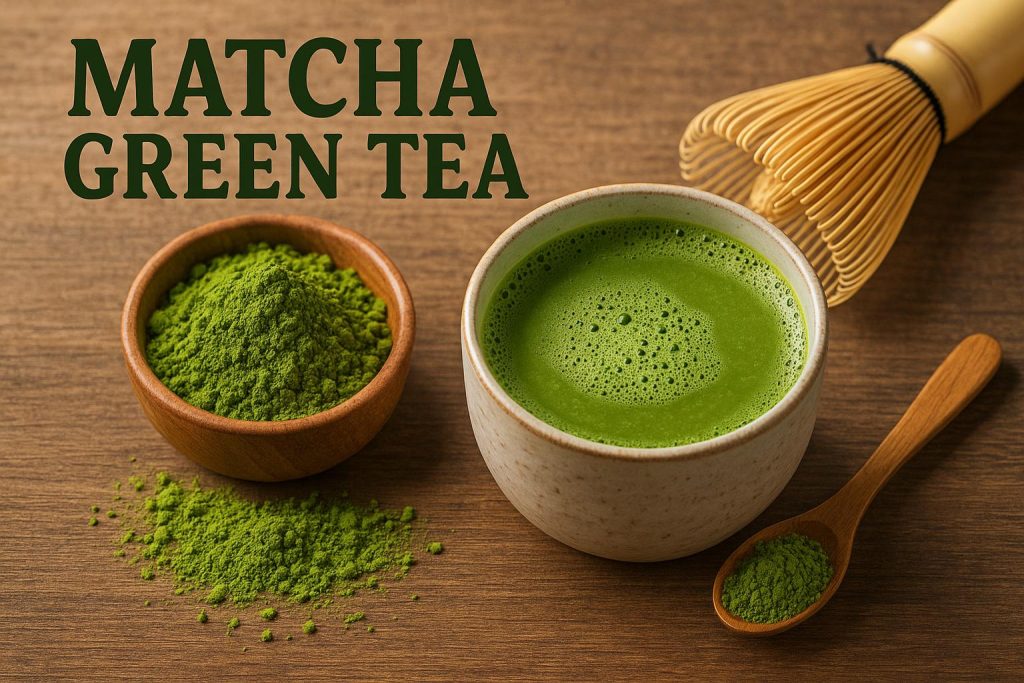
What is Matcha Green Tea?
Matcha green tea stands out among other green teas due to its unique production and harvesting methods. Primarily grown and processed in Japan, matcha is known for its vibrant green color and rich flavor profile. This distinctiveness is largely attributed to the shading process employed before the harvest, a technique that boosts the chlorophyll levels in the tea leaves, resulting in their vivid hue. The harvested leaves are then carefully stone-ground into a fine powder, helping to preserve the unique characteristics and potency associated with matcha. The process by which matcha is made plays a significant role in ensuring the high quality and flavor of the tea.
Historical Significance
The history of matcha tea is deeply rooted in ancient traditions, originating during the Tang Dynasty in China. However, it was in Japan where matcha found its ceremonial niche, reaching prominence in the 12th century thanks to Zen Buddhist monks. Initially brought to Japan from China, the method of preparing powdered tea was adopted and refined as part of Japanese culture. Over time, matcha became closely linked with Japanese tea ceremonies, symbolizing a spiritual and meditative practice. These ceremonies underscore the deeper cultural significance of matcha, extending beyond its attributes as a simple beverage to an integral component of Japanese heritage. Within these ceremonies, matcha plays a role that reflects mindfulness, artful preparation, and appreciation of the moment, all of which are elemental aspects of the ceremony itself.
Nutritional Benefits
Matcha is widely recognized for its nutritional advantages. One of its primary benefits comes from its richness in antioxidants, particularly a type of catechin known as EGCG (epigallocatechin gallate). These compounds are known for their ability to fight free radicals, potentially reducing the risk of various diseases. Alongside antioxidants, matcha contains L-theanine, an amino acid that induces a state of calm alertness, providing relaxation without the sedation typically associated with other relaxants. Additionally, matcha supplies a moderate level of caffeine, which affords an energy boost, but unlike the rapid spike typically seen with coffee, matcha offers a steady release of energy. This balanced effect is due to the synergistic action of caffeine and L-theanine, ensuring alertness without common side effects such as jitters.
Furthermore, ongoing scientific studies delve into matcha’s role in supporting metabolism, aiding in weight management, and enhancing cognitive performance. Each of these elements contributes to its reputation as a powerful superfood. An increased interest in holistic health approaches and natural supplements has further propelled matcha into the spotlight, with health enthusiasts advocating its regular consumption for overall wellbeing.
How to Prepare Matcha
Preparing matcha tea is an art form that requires attention to detail and specific tools. Foremost among these are the bamboo whisk, known as a chasen, and a special tea bowl, or chawan. These tools are designed to effectively mix and aerate the matcha powder. Preparation typically commences with sifting a small amount of matcha powder to remove any clumps, ensuring a smooth texture. Hot water, heated to just below boiling point, is added to the powder in the bowl. Using the chasen, this mixture is then whisked vigorously in a zigzag motion until it becomes frothy. The result is a smooth beverage with a well-rounded flavor, reflective of both the quality of matcha and the methodical care given to its preparation.
The ceremonial aspect of matcha preparation is not only about making tea but also about engaging in a mindful practice. Each step, from measuring the powder to whisking, is conducted with measured intention and precision, contributing to the meditative quality of preparing and consuming matcha. This ritual practice underscores the importance of savoring not just the product but the experience of crafting it as well.
Varieties and Grades of Matcha
Understanding the differences in matcha grades is essential for selecting the right type for your needs, as the characteristics of each grade can significantly impact both flavor and application. Ceremonial grade matcha is the highest quality available, traditionally used in Japanese tea ceremonies. Its refined taste and smoothness make it ideal for drinking as a stand-alone tea. It typically exhibits a bright green color and a sweet, delicate flavor profile.
In contrast, culinary grade matcha, while retaining health benefits, has a more robust flavor, which makes it apt for blending with other ingredients. It’s commonly used in cooking and baking, adding a distinctive taste and nutritional boost to dishes like cakes, smoothies, and ice creams. This grade tends to be more affordable than ceremonial grade, therefore, a preferred choice for culinary applications.
Understanding these distinctions helps those new to matcha make informed decisions about which type is best suited to their intended use. Whether for ceremonial enjoyment or culinary exploration, selecting the appropriate grade of matcha is crucial to fully appreciate its unique properties and flavors. For enthusiasts and novices alike, the journey of discovering matcha offers an exploration into both taste and tradition, rooted in centuries of cultural significance.
