

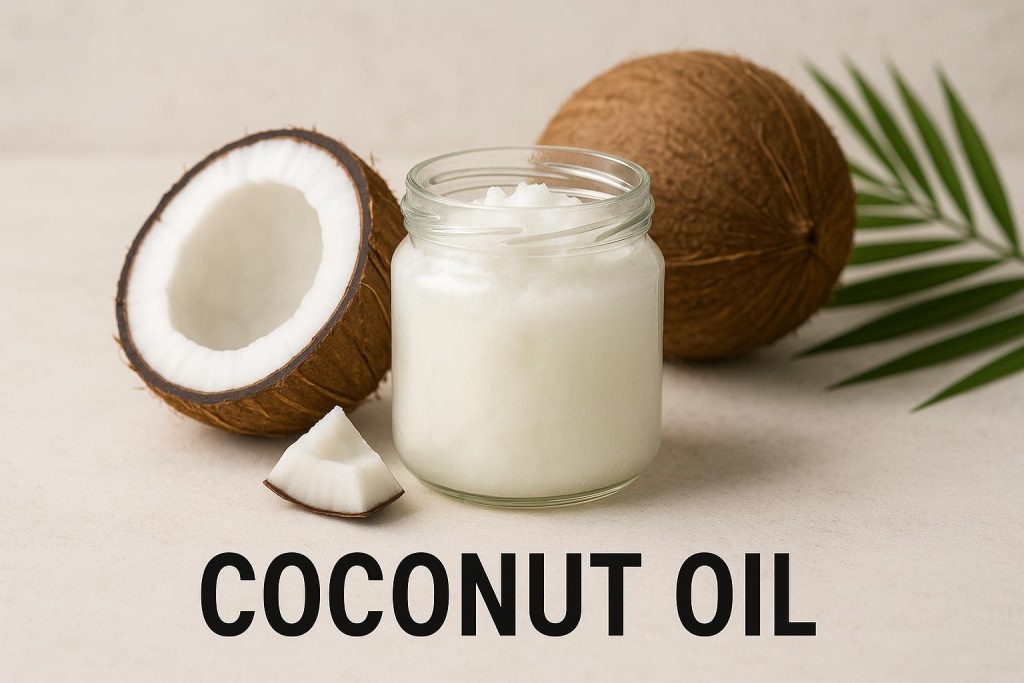
Origins and Extraction of Coconut Oil
Coconut oil is obtained from the kernel or meat of coconuts, specifically those of the coconut palm labeled Cocos nucifera. This journey from kernel to oil involves distinct processing techniques, primarily categorized into dry and wet methods.
In the dry processing method, coconut meat is dried to form what is called copra through natural sunlight, kilns, or even smoke drying. Once this drying phase is completed, the copra is either mechanically pressed or subjected to chemical solvents to produce coconut oil. This technique, while effective, often results in the loss of certain nutrients compared to its counterpart.
On the other hand, wet processing does not involve any drying of the coconut meat. The raw coconut meat is immediately processed to separate the oil, allowing for the production of what is known as virgin coconut oil. This method tends to preserve more beneficial compounds inherent to coconut oil. For a deeper dive into these processes, consider perusing literature such as [this study on coconut oil production](https://www.researchgate.net/publication/328781539_Extraction_of_coconut_oil) which offers comprehensive details.
Chemical Composition and Nutritional Profile
The composition of coconut oil is predominantly saturated fats, distinctly characterized by medium-chain triglycerides (MCTs). MCTs like lauric acid, caprylic acid, and capric acid are integral to the nutritional landscape of coconut oil, often metabolized efficiently by the human body, which could suggest numerous potential health advantages.
Fatty Acid Composition:
Lauric Acid stands out, making up about 47-53% of the oil’s composition, and is well-regarded for its antimicrobial attributes. Additionally, Myristic and Palmitic Acids are of great significance, commonly utilized within the culinary and cosmetic industries. Caprylic and Capric Acids are notable for potentially providing efficient energy boosts due to their chemical nature.
Beyond fatty acids, coconut oil boasts polyphenols, vitamins such as Vitamin E, and phytosterols, all of which contribute significantly to its well-regarded antioxidant properties.
Uses and Benefits of Coconut Oil
Coconut oil’s versatility is well-documented, with its utility spanning culinary disciplines, health spheres, and beauty regimens.
Culinary Uses:
Due to its impressive high smoke point, coconut oil is ideal for cooking techniques like frying and baking. It imparts a gentle coconut flavor, complementing diverse dishes, particularly within tropical culinary practices.
Health Benefits:
The potential health benefits of coconut oil are increasingly debated and researched. It is thought to enhance metabolic rates and positively affect cholesterol levels. Its MCTs may also contribute to weight management efforts by promoting a feeling of fullness or satiety. Nevertheless, it is advised to consume coconut oil in moderation, ensuring it aligns well with a balanced dietary framework.
Coconut Oil in Cosmetics and Skincare
Coconut oil maintains a firm position in the skincare and cosmetics industry, thanks largely to its moisturizing and antimicrobial properties. Its inclusion is standard in several beauty formulations.
Moisturizers:
The oil is beneficial for hydrating and replenishing skin moisture, especially suitable for individuals with dry skin conditions.
Hair Care:
Widely used as a hair conditioning treatment, coconut oil can potentially reduce protein loss from both damaged and healthy hair strands. Enthusiasts of natural skincare can find numerous resources detailing how to integrate coconut oil into DIY beauty products, such as various guides available in publications like [this guide](https://www.naturalbeautyconference.com/coconut-oil-beauty).
Sustainability and Environmental Impact
The production of coconut oil does not occur without its environmental challenges. If not managed sustainably, the process can lead to significant ecological consequences, including deforestation and habitat destruction. It is imperative that industries involved in coconut oil production adopt environmentally conscious practices to mitigate these impacts. Some forward-thinking companies pledge to source coconut sustainably, ensuring fair trade standards and a lighter ecological footprint.
Further exploration of sustainable coconut oil cultivation is possible through dialogues with [sustainable agriculture organizations](https://www.sustainableagriculture.org/), offering frameworks and strategies for reducing environmental impacts.
Conclusion
Coconut oil continues to enjoy global popularity due to its multifaceted uses and potential health benefits. However, as with any valuable natural resource, it is crucial to practice responsible sourcing and consumption. Such ethics ensure that the advantages of coconut oil are maximized while minimizing potential environmental detriments.
