

Introduction to Oats
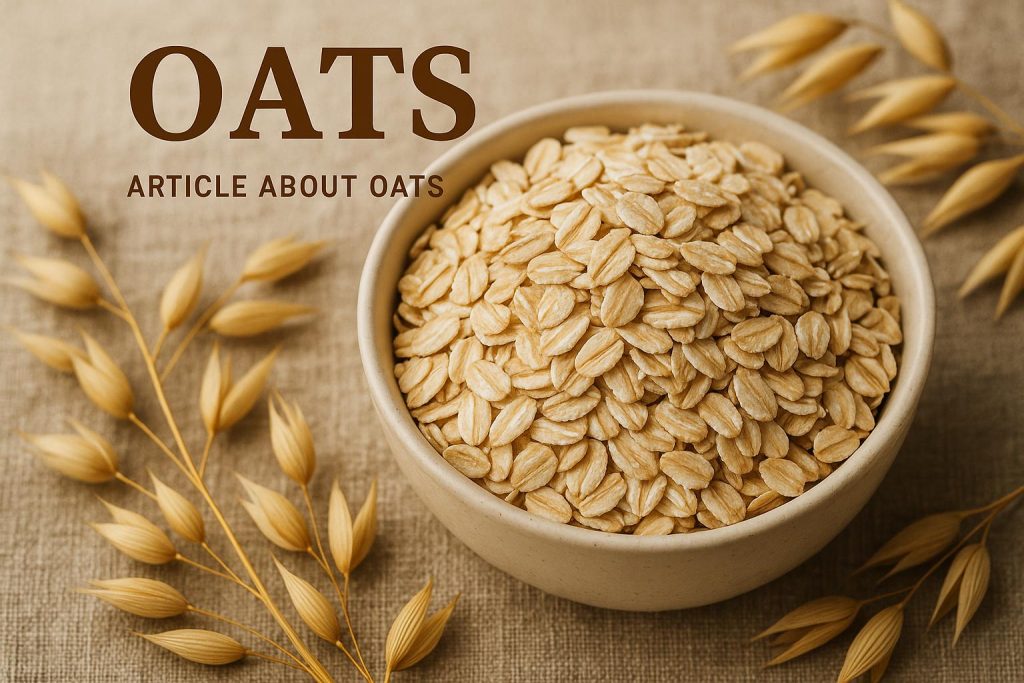
Oats, scientifically known as Avena sativa, are a widely recognized cereal grain, celebrated for their nutritional profile and versatility in culinary applications. Cultivated primarily in regions of North America and Europe, oats have become a staple in many diets due to their health benefits and adaptability. Typically consumed in forms such as oatmeal or rolled oats, they offer a remarkable source of dietary fiber and valuable nutrients that contribute to improved health.
Nutritional Composition
The nutritional composition of oats makes them a vital component in a balanced and health-conscious diet. At the forefront of their nutrient profile is the substantial content of dietary fiber, particularly beta-glucan. This type of soluble fiber is renowned for its ability to lower cholesterol levels, which contributes significantly to cardiovascular health. Alongside fiber, oats are enriched with a wide array of essential vitamins and minerals. These include manganese, which supports bone health and metabolism; phosphorus, necessary for energy production; magnesium, contributing to muscle and nerve function; and copper, playing a role in the maintenance of collagen and elastin.
Oats also provide iron, which is crucial for oxygen transport in the blood; zinc, known for its importance in the immune system; and folate, essential for cellular division and the formation of DNA. Additionally, oats are a source of B vitamins, supporting energy production and the formation of red blood cells. The inclusion of these nutrients makes oats a well-rounded dietary option that can support overall health and well-being.
Health Benefits of Oats
Incorporating oats into one’s diet brings with it a plethora of health advantages due to their nutritional constituents:
Heart Health: One of the most significant health benefits of oats is their impact on heart health. The beta-glucan fiber present in oats has been extensively studied for its ability to lower LDL cholesterol, also known as “bad” cholesterol. By reducing cholesterol levels, oats help decrease the risk of heart disease and promote a healthy cardiovascular system.
Blood Sugar Control: Oats possess a low glycemic index, which means they release glucose into the bloodstream more slowly and steadily compared to high-glycemic foods. This property makes oats particularly beneficial for individuals managing diabetes, as they help regulate blood sugar levels and reduce the risk of spikes and crashes in blood glucose.
Weight Management: The high fiber content in oats contributes to a feeling of fullness or satiety. This can be advantageous for those looking to manage their weight, as consuming fiber-rich foods like oats can help curb overeating by promoting a longer-lasting sense of fullness. Incorporating oats into meals may thereby support weight loss or maintenance goals.
Culinary Uses
Oats have a versatile use in the culinary world, going beyond their traditional role in breakfast meals. While oatmeal remains a popular choice for a nutritious start to the day, oats can be integrated into an array of culinary recipes. In baking, oats serve as a healthful ingredient in cookies, muffins, and bread, adding texture and nutritional value to these goods.
Furthermore, oats can be utilized as a hearty component in soups and stews, where they provide a thickening effect and boost the fiber content of the dish. Ground into oat flour, oats also offer a gluten-free alternative for baking and cooking, catering to individuals with gluten sensitivities or those following a gluten-free diet. This flexibility in culinary use highlights the adaptability of oats to various dietary needs and preferences.
Global Oat Production
The production and cultivation of oats are concentrated in specific regions around the world. Notably, countries within North America and the European Union are among the key players in oat production. Russia stands as a leading producer, following by Canada and the United States, all contributing significantly to the global supply of oats. The increasing demand for oats is fueled by their recognized health benefits and their diverse applications in food products.
The commercial production of oats is pivotal to meeting consumer needs for nutrient-rich foods. As awareness of their health advantages grows, the cultivation and global distribution of oats continue to expand, guiding agricultural initiatives toward sustaining the supply of this beneficial grain.
Summation and Additional Resources
To encapsulate, oats stand out as a nutrient-dense cereal grain that offers multiple health benefits. Their role in promoting heart health, aiding in blood sugar control, and supporting weight management underscores their importance in a health-conscious diet. With broader applications in culinary contexts, oats are a versatile food source that accommodates various dietary needs and preferences.
For individuals and researchers interested in expanding their understanding of global oat production, resources like the OECD iLibrary provide detailed agricultural statistics and insights into the global dynamics of oat cultivation and consumption. This understanding helps in recognizing the broader impact of oats in global nutrition and food systems.
In summary, as more people look for ways to improve their dietary habits, oats present themselves as an excellent choice, offering a balance of nutritionally dense content, health benefits, and culinary versatility, making them a valued addition to diets worldwide.
