

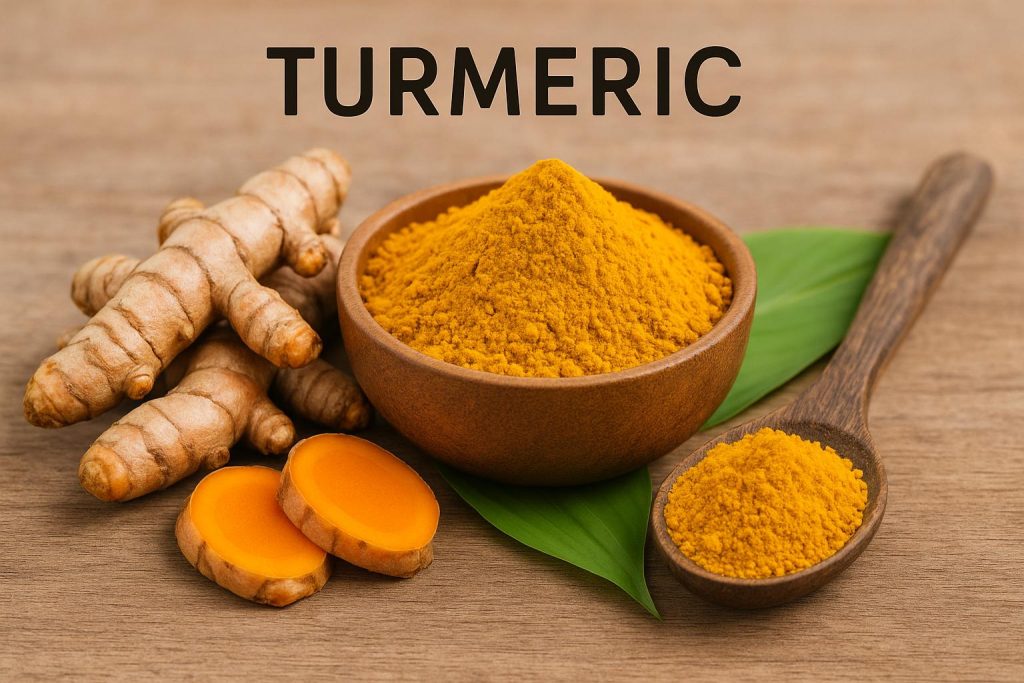
Introduction to Turmeric
Turmeric is a vibrant yellow spice that originates from the root of the Curcuma longa plant, which is part of the ginger family. Known for its culinary and medicinal uses, turmeric has been a staple in Indian, Southeast Asian, and Middle Eastern cooking for centuries. Over the years, turmeric’s popularity has expanded beyond these regions, as the global interest in its potential health benefits has grown. Understanding turmeric’s characteristics and applications can provide valuable insights into its role in health and cuisine.
Composition of Turmeric
The primary component of turmeric is curcumin, which is responsible for its characteristic color and potential health benefits. Curcumin is a curcuminoid, a type of natural phenol, which contributes to turmeric’s distinct properties. In addition to curcumin, turmeric contains a variety of other bioactive compounds, including essential oils such as turmerone, atlantone, and zingiberene. These compounds, collectively, contribute to the spice’s complex aroma and may also play roles in its therapeutic effects.
Turmerone is one of the most significant essential oils in turmeric, known for its potential neuroprotective and therapeutic properties. Atlantone and zingiberene add to turmeric’s chemical composition, enhancing its appeal both as a culinary ingredient and therapeutic agent. The interaction between these compounds makes turmeric a topic of interest for further research, particularly in the fields of pharmacology and nutrition.
Culinary Uses of Turmeric
Turmeric is widely used as a spice in cooking, particularly in Indian curries and rice dishes. Its earthy, slightly bitter flavor complements a wide range of ingredients, providing a distinctive taste that is hard to replicate. Turmeric is commonly used in spice blends such as curry powder and is also a key ingredient in dishes like dhal and various chutneys. In addition to traditional dishes, turmeric is increasingly being used in smoothies, teas, and baked goods, expanding its culinary versatility.
Culinary Tips:
To activate its full potential, turmeric is often combined with black pepper, which enhances the absorption of curcumin. Piperine, the active compound in black pepper, significantly increases curcumin’s bioavailability, making this combination highly beneficial. Turmeric can be used fresh or dried, but ground turmeric is more common due to its longer shelf life. Fresh turmeric provides a more intense flavor but is less commonly used in modern kitchens due to storage and handling challenges.
Many chefs and home cooks appreciate turmeric for its vibrant hue, which can impart a golden color to various dishes. However, it’s essential to use it in moderation to avoid overpowering other flavors. Steeping turmeric in milk or pairing it with fatty substances can further enhance its culinary impact, creating rich and flavorful dishes.
Health Benefits
Turmeric has been studied for its potential health benefits, primarily due to the presence of curcumin. Research suggests that curcumin exhibits anti-inflammatory, antioxidant, and potential anticancer properties. Although more scientific investigation is needed to confirm these benefits, preliminary studies indicate promising results.
Anti-Inflammatory Effects:
Curcumin is believed to play a role in modulating various molecules involved in inflammation. This property might make it beneficial for managing inflammatory conditions such as arthritis. By inhibiting certain enzymes and pathways, curcumin can potentially reduce inflammation, offering relief for individuals with chronic inflammatory diseases.
Antioxidant Properties:
Curcumin is known to neutralize free radicals and boost the activity of the body’s own antioxidant enzymes. This activity helps in reducing oxidative stress, which is linked to numerous health conditions. The antioxidant power of curcumin has been a significant area of interest, as it could contribute to preventing diseases related to oxidative damage.
Moreover, curcumin’s ability to cross the blood-brain barrier has sparked interest in its potential role in supporting brain health and combating neurodegenerative disorders. As research continues to explore these areas, turmeric remains a focal point of interest in alternative medicine and nutrition science.
Other Uses
Beyond its culinary and health uses, turmeric is employed in traditional medicine systems like Ayurveda and Traditional Chinese Medicine. It is often used in formulations aimed at treating a wide range of ailments. Traditional healers have long utilized turmeric’s properties for its purported ability to balance energy, detoxify the body, and promote longevity.
Skin Care:
Turmeric is used in facial masks and lotions due to its potential to promote overall skin health and complexion. Its antibacterial and anti-inflammatory properties make it a popular choice for treating acne and other skin conditions. Turmeric may help reduce redness and irritation, providing a natural solution for maintaining healthy skin.
Precautions:
While turmeric is generally considered safe when consumed in moderate amounts through food, high doses may pose risks. Interactions with certain medications and potential side effects like upset stomach or dizziness should be considered. It’s essential to consult a healthcare provider for advice tailored to individual health conditions and needs, particularly when considering turmeric supplements or high-dosage forms.
In therapeutic settings, professionals advocate for mindful usage of turmeric, acknowledging both its potential benefits and limitations. Careful consideration of dosage, form, and individual health status can optimize its positive effects while minimizing risks.
Conclusion
Turmeric is a multifaceted spice with a rich history of use in cooking and alternative medicine. Its potential benefits, particularly those attributed to curcumin, make it a subject of ongoing scientific interest. As research unfolds, turmeric continues to offer exciting possibilities as a therapeutic and culinary ingredient.
For more information on turmeric and related studies, consider exploring resources from reputable health research organizations, such as the National Institutes of Health or Harvard Health. These platforms provide valuable insights into the evolving understanding of turmeric, helping individuals make informed decisions about incorporating this spice into their lifestyle.
