

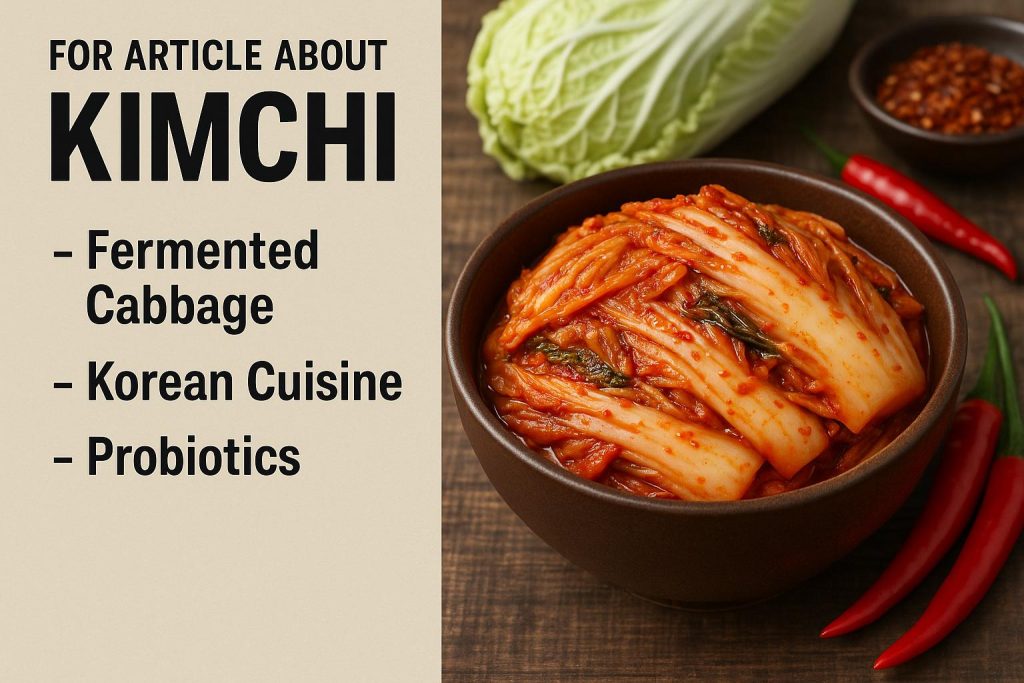
What is Kimchi?
Kimchi is a staple of Korean cuisine, often referred to as the heart of Korean meals. This traditional side dish is primarily made from fermented vegetables, with napa cabbage being the most common choice. However, variations exist that include radishes, cucumbers, and even other vegetables, each resulting in a dish with a tantalizing blend of spicy, sour, and occasionally sweet flavors. The origins of kimchi trace back centuries, and over time, it has evolved into not just a culinary delight but also a cultural symbol of Korea.
The Ingredients of Kimchi
Central to the making of kimchi are several key ingredients. The indispensable napa cabbage forms the base of the most traditional version, but creativity in kimchi making has led to numerous adaptations involving other vegetables. Salt is crucial in the process as it initiates the fermentation by drawing out moisture from the cabbage. Chili pepper imparts the characteristic spiciness, while garlic and ginger provide depth and complexity to the flavor profile. Another essential ingredient is the Korean fish sauce, lending an umami richness to the dish.
Variations in kimchi can include the addition of onions or carrots, enhancing both texture and taste. Some recipes are adventurous enough to incorporate seafood such as fermented shrimp or oysters, intensifying the umami notes and giving the kimchi a unique taste that is specific to different regions or family traditions. Each ingredient and its variations contribute significantly to the distinctive and multifaceted flavor profile that kimchi is known for.
Fermentation Process
The art of fermenting kimchi is a process that requires careful attention and patience. It begins with salting the cabbage, which is done to extract excess water and soften the leaves. This critical step also helps in the preservation of the cabbage, a method deeply rooted in historical practices when refrigeration was not available. The salting process typically spans several hours to ensure that the cabbage is adequately prepared for fermentation.
Once salting is complete, the cabbage is rinsed to remove excess salt and is subsequently mixed with a carefully prepared seasoning paste. This paste comprises the chili peppers, garlic, ginger, and other flavor-enhancing components mentioned earlier. The combined mixture is then tightly packed into containers, traditionally clay pots called Onggi, to ferment. Today, modern airtight containers are used, placed in cool locations to allow the slow process of fermentation over a period ranging from a few days to several weeks. The fermentation duration greatly influences the taste, with longer periods resulting in a more pronounced sourness and depth of flavor.
Health Benefits
Kimchi is revered not just for its rich and complex taste but also for its numerous health benefits. The dish is rich in essential vitamins such as A, B, and C, contributing significantly to daily nutritional intake. Because it is a product of fermentation, kimchi is loaded with probiotics, the beneficial bacteria that promote a healthy digestive system. This presence of probiotics can aid in enhancing gut health, boosting immune defenses, and facilitating overall digestion.
Research and studies have increasingly highlighted kimchi’s potential in contributing to improved cardiovascular health. The high fiber content in kimchi aids in maintaining healthy cholesterol levels, while the vitamins and minerals found in it help manage blood pressure. Additionally, some studies suggest that kimchi and its antioxidants may play a role in cancer prevention and support weight control by enhancing metabolism and reducing cravings through its satiating richness.
How to Enjoy Kimchi
The versatility of kimchi allows for a wide range of culinary uses. Although it is traditionally served as a side dish accompanying rice and a myriad of other main courses, its uses extend far beyond. Kimchi can be an excellent addition to stews and soups, providing an extra layer of flavor and depth. It can also be used as a flavorful topping for Korean-style pancakes or incorporated into fried rice, offering a delightful contrast and a burst of taste.
Innovative cooks and food enthusiasts have embraced kimchi in fusion cooking, experimenting with its robust flavors in various Western recipes. It can be added to sandwiches, burgers, or even tacos for a unique twist, providing a zesty kick that balances other flavors harmoniously. By experimenting with kimchi in different culinary applications, one can enjoy both the traditional and modern aspects of this beloved dish.
For those eager to experience the making of kimchi firsthand, creating it at home can be an enriching and fulfilling activity. Numerous online recipes offer step-by-step guides to producing this age-old dish, allowing enthusiasts to tailor the spices and ingredients to suit their preferences. Such personalization ensures that even though kimchi is a time-honored Korean tradition, it can be adapted and appreciated in kitchens around the world.
In conclusion, kimchi is more than just a simple fermented dish. It is a vivid showcase of cultural history, an embodiment of health-focused eating, and a testament to the joy of culinary exploration. Whether enjoyed in its traditional form or as part of a contemporary fusion dish, kimchi remains a delectable and intriguing element of global cuisine.
