

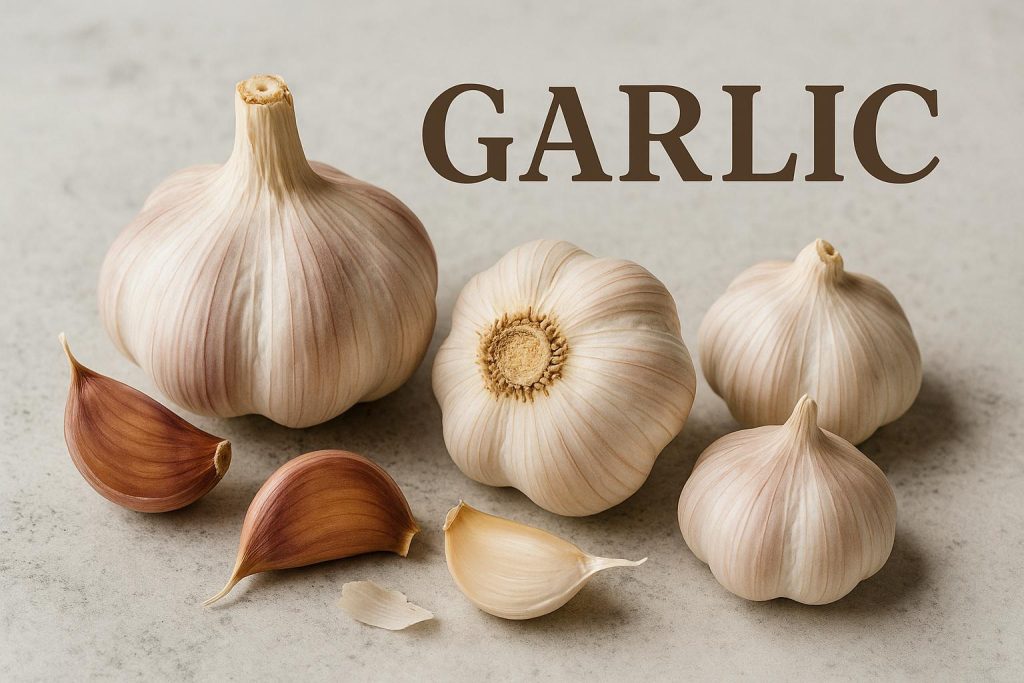
Introduction to Garlic
Garlic, scientifically called Allium sativum, is a member of the Allium genus within the family of onions. Its other close relatives encompass the onion, shallot, leek, chive, and Chinese onion. Garlic originated from Central Asia and northeastern regions of Iran. Over the ages, it has been revered for its rich culinary and medicinal applications. This plant is particularly famous for its distinctive flavor, aromatic attributes, and numerous potential health benefits.
Historical Significance of Garlic
Throughout history, garlic has consistently held a place of great importance across various civilizations. Tracing its roots back to ancient cultures, including the Egyptians, Babylonians, Greeks, Romans, and Chinese, garlic was integral as both a flavor enhancer and a vital component of herbal medicine. Historical records and archaeological evidence testify to its widespread use in various ancient societies.
Culinary Uses of Garlic
Garlic is pivotal in culinary traditions worldwide. Known primarily for its pungent taste, garlic’s flavor profile transforms significantly when cooked, becoming milder and sweeter. Available in numerous forms such as fresh, dried, granulated, and even as oils and extracts, its versatility permits a broad range of culinary applications. From simple pasta dishes to complex sauces, garlic’s presence elevates the flavors and complements a variety of cuisines globally.
Experiments in kitchens around the world have demonstrated the adaptability of garlic. Whether it’s minced into salsas, roasted with meats, or blended into creamy sauces, its inclusion can dramatically alter and enhance the taste of a dish. Moreover, pairing garlic with complementary herbs such as rosemary or thyme often results in a symphony of flavors that enrich the dining experience.
Medicinal Properties of Garlic
Beyond its culinary applications, garlic has been lauded for its medicinal qualities. It contains numerous compounds, the most notable being allicin, which is associated with various health benefits. This compound, along with others in garlic, has been the subject of research for its potential antibacterial, antiviral, and antifungal effects. Studies have additionally explored garlic’s potential to benefit cardiovascular health, including its potential to enhance cholesterol profiles and aid in managing blood pressure levels. Despite these promising research outcomes, consulting healthcare professionals before considering garlic for medicinal purposes is advised.
Certain folk remedies have capitalized on garlic’s potential health benefits for centuries. Its use in traditional medicine has included remedies for warding off infections, treating digestive issues, and enhancing general vitality. In contemporary times, garlic supplements are available in various forms such as capsules, powders, and oils, making it accessible for those seeking its health benefits in concentrated doses.
Garlic in Modern Research
In recent years, garlic has been the subject of extensive research intended to corroborate its health-related properties. Studies published in scientific journals have been delving into its potential role in cancer prevention, immune system enhancement, and its antioxidant characteristics. Although findings have been encouraging, more comprehensive and clinically proven investigations are necessary to confirm these claims definitively.
Globally, research facilities and academic institutions have been probing into the vast array of potential uses of garlic. From its impact on various cancer cell lines to investigations about its influence on viral replication rates, modern science continues to seek verifiable evidence to solidify garlic’s standing within the realm of natural remedies.
Cultivation and Harvesting of Garlic
The cultivation of garlic is feasible in diverse climates and soil conditions. Ideally, it requires well-drained soil coupled with adequate sunlight to thrive. Farmers commonly plant garlic in the fall, and its harvest usually occurs in late spring or summer of the next calendar year. After harvesting, it is imperative to dry garlic bulbs properly to prolong their shelf life and maintain optimal quality.
Growing garlic at home or on a farm involves specific techniques to ensure a successful yield. Starting with selecting healthy seed bulbs to implementing proper irrigation strategies, each step is crucial for producing robust plants. After harvesting, storing the bulbs in a cool and dry environment helps maintain their pungency and flavor for extended periods.
Proper Storage and Use of Garlic
To preserve garlic’s freshness and extend its shelf life, appropriate storage methods are essential. Whole bulbs should be kept in environments that are cool and dry with adequate air circulation. For short-term uses, storing peeled or chopped garlic in the refrigerator is feasible, though it may tend to develop a more potent aroma.
While garlic’s lifespan can vary depending on storage methods, its usability does not. Even when garlic begins to sprout green shoots, it is still safe for consumption, though the flavor can be slightly different. Employing methods such as pickling or fermenting garlic can provide alternative ways to enjoy this versatile ingredient.
Whether for culinary excellence, health benefits, or a blend of both, garlic remains a remarkable plant with enduring appeal. For further insights into garlic’s rich array of uses, its historical background, and ongoing scientific research, interested readers might wish to consult professional literature from agricultural or food science publications, along with resources from health-focused websites and culinary associations. Such sources can deliver detailed information on specific studies or the expansive applications of this age-old ingredient.
