

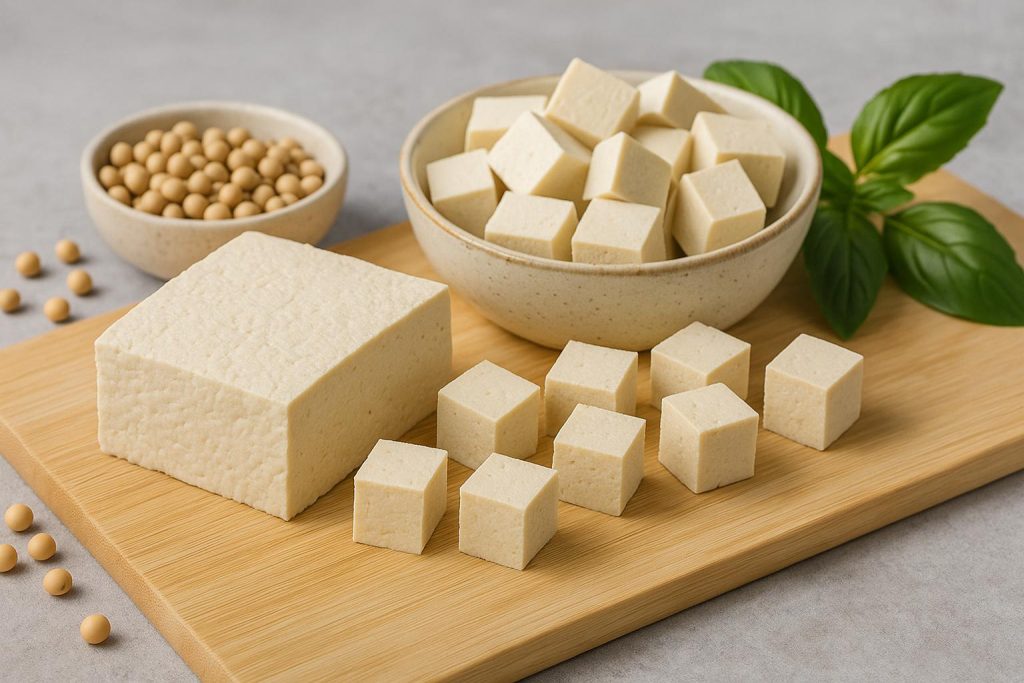
Introduction to Tofu
Tofu, also known as bean curd, is a versatile food product derived from soybeans. It is a staple in many Asian cuisines and has gained popularity worldwide as a source of plant-based protein. Rich in nutrients, tofu is highly valued for its adaptability in a variety of dishes.
Tofu offers a rich history and a diverse application in both traditional and modern culinary arts. Known for its capacity to absorb flavors, tofu serves as a palate-pleasing base for various recipes. Its nutritional content positions it as a versatile ingredient suitable for numerous dietary needs.
Production Process
The process of making tofu begins with the careful selection of quality soybeans, which are soaked in water to soften them. Once adequately soaked, these beans are ground into a slurry with water, which plays a critical role in extracting the maximum amount of nutrients.
The next step involves heating this mixture to transform it into soy milk. This heating process not only improves the taste but also ensures the slurry’s sanitation by killing off any potentially harmful bacteria. Once boiled, the mixture is carefully strained, separating the liquid soy milk from the solid remains.
To turn soy milk into tofu, coagulation agents like calcium sulfate or magnesium chloride are added. These agents help curdle the soy milk, forming solid curds. The choice of agents can subtly influence the flavor and texture of the final product.
Pressing these curds creates the familiar blocks of tofu. The amount of pressure applied determines the texture: soft tofu results from minimal pressing, allowing more moisture to remain, while extra firm tofu results from more extended pressing periods, removing more water.
Understanding these production processes not only informs culinary choices but also allows consumers to appreciate tofu’s structural diversity across different cuisines.
Nutritional Profile
Tofu stands out as a nutrient-dense food option, particularly praised for its high protein content. This makes it an excellent choice for vegetarians and vegans seeking plant-based protein sources. Notably, tofu provides all essential amino acids, which are crucial for optimal human health and body function.
Aside from protein, tofu is rich in several important minerals. It offers significant levels of iron and calcium, contributing to bone health and the effective functioning of the circulatory system. Its composition includes magnesium, phosphorus, and manganese, further enriching its nutritional offering.
Despite the presence of these nutrients, tofu remains relatively low in calories. Its low carbohydrate and minimal fat content make it an ideal food item for individuals actively managing their calorie intake. This unique nutritional profile makes tofu an excellent fit in various dietary regimens, supporting both health-conscious eating and indulgent culinary experimentation.
Culinary Uses
Tofu’s culinary versatility arises from its inherent ability to absorb flavors, allowing it to seamlessly integrate into myriad recipes. Its textural variety—ranging from silken to extra firm—broadens its utility across numerous cooking techniques.
Soft tofu is particularly suitable for soups, dressings, and desserts, where its smooth texture enhances the dish’s overall consistency. In contrast, firmer tofu is favored for grilling, stir-frying, and baking, where its robust form holds up against various cooking methods.
Due to its neutral taste, tofu acts as a blank canvas for a wide range of flavor profiles. Marinating tofu allows various seasonings to permeate, adding depth to its flavor profile. This adaptability makes tofu a favorite ingredient among both professional chefs and home cooks seeking to explore creative culinary avenues.
Health Benefits
Regular consumption of tofu is linked to several health benefits, partially attributed to its nutrient composition and biologically active compounds. Among these benefits, tofu is known to potentially reduce the risk of cardiovascular disease, chiefly due to its isoflavone content—plant-based compounds with antioxidant properties.
Isoflavones, found in significant amounts in tofu, may help improve heart health by positively influencing cholesterol levels and promoting arterial flexibility. Additionally, tofu is a valuable source of calcium and vitamin D, promoting bone health, particularly among those unable to consume dairy products due to lactose intolerance or personal dietary choices.
Tofu’s health benefits extend to its potential role in cancer prevention, weight management support, and as a dietary agent for balancing blood sugar levels. These health-promoting properties make tofu an attractive dietary inclusion for health-conscious individuals worldwide.
Tofu in Global Cuisine
While tofu has its roots firmly planted in the culinary traditions of Asia, its adaptation has spread across global cuisines. Its integration into different culinary traditions illustrates its universal appeal and adaptability to various flavor profiles and cooking styles.
In Japan, tofu is a cornerstone ingredient in dishes such as miso soup and agedashi tofu, where it features prominently as both a flavor and nutritional component. In China, dishes like ma po tofu highlight its ability to absorb intense flavors through savory, spicy sauces.
In Western culinary contexts, tofu frequently appears in plant-based adaptations of popular dishes. Its use in vegan versions of lasagna, burgers, and tacos demonstrates its ability to serve as a meat substitute while maintaining satisfying texture and flavor.
Tofu’s adaptability continues to encourage innovative culinary approaches, further establishing its presence in global kitchens.
Conclusion
Tofu’s nutritional benefits and culinary flexibility continue to underpin its increasing global popularity. As a valuable source of plant-based protein, it provides an array of essential nutrients necessary for maintaining a balanced and healthy diet. Diverse and adaptable, tofu offers endless possibilities for culinary innovation across cultural cuisines. For further detailed information on tofu and its production, you can explore resources offered by national soybean associations.
