

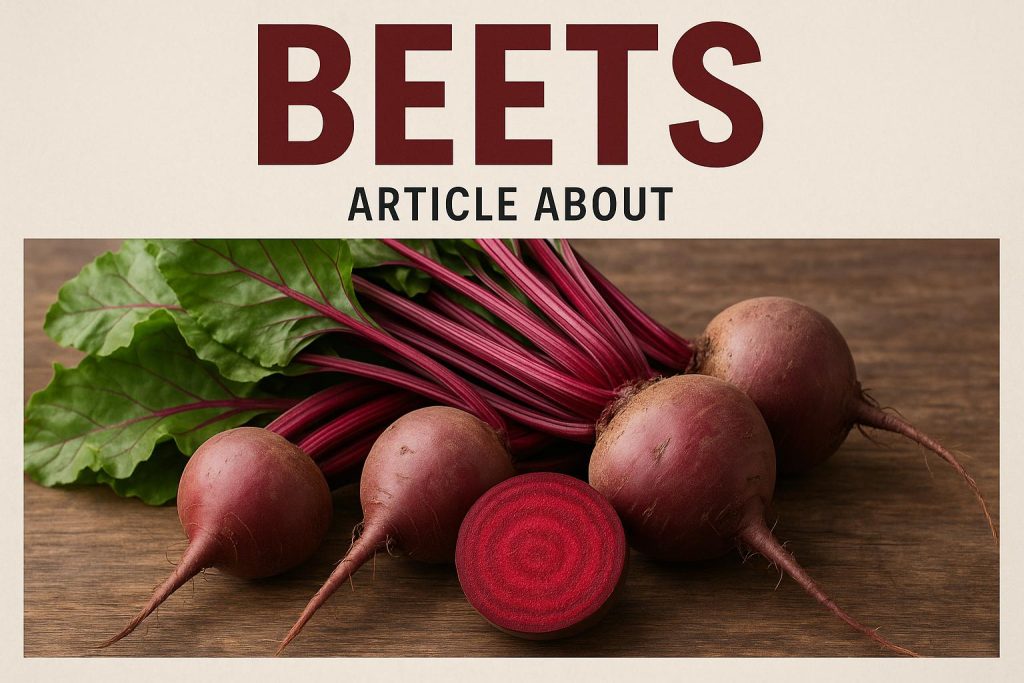
Introduction to Beets
Beets, or Beta vulgaris, are root vegetables that have been cultivated for thousands of years. They belong to the Amaranthaceae family and are valued not only for their unique, earthy taste but also for their nutritional benefits. These vegetables can be consumed raw, cooked, or pickled and are typically available in a variety of colors, including deep red, yellow, white, and even striped varieties known as Chioggia beets.
Nutritional Profile
Beets are known for their rich nutritional content. They are high in essential nutrients such as folate, which plays a crucial role in DNA synthesis and repair. Additionally, beets are an excellent source of manganese, potassium, and iron. The vegetables are low in calories, making them a healthy option for those monitoring their caloric intake. Beets are also rich in dietary fiber, which aids in digestion, and they provide antioxidants, such as betalains, that may have various health benefits.
Health Benefits
Consuming beets has been associated with several health benefits. Studies suggest that the nitrates found in beets can help lower blood pressure by promoting the dilation of blood vessels, potentially reducing the risk of heart disease. There is also evidence to suggest that dietary nitrates may improve athletic performance by enhancing oxygen use and endurance during physical activity. Furthermore, the antioxidants in beets have anti-inflammatory properties, which may contribute to reducing the risk of chronic diseases.
Culinary Uses
Beets can be incorporated into various culinary applications. When raw, they can be grated into salads or coleslaws to add a vibrant color and a sweet, earthy flavor. Roasting beets is a popular cooking method that enhances their natural sweetness. They can also be boiled, steamed, or pickled. Additionally, beet greens are edible and can be sautéed or added to soups and stews.
Storage and Selection
When selecting beets, look for firm, smooth-skinned vegetables with no signs of wrinkling or softness. Fresh beets typically have bright, vibrant green tops, which should not be wilted. To store beets, remove the greens, leaving about an inch of stem attached to prevent bleeding. Beets can be stored in a refrigerator for up to two weeks, while the greens should be used within a few days to prevent spoilage.
Sustainability and Environment
Beets are generally considered a sustainable crop due to their resilience and low environmental impact. They require moderate water and can be grown in various climates. Additionally, beets are often grown locally, reducing the carbon footprint associated with transportation. Sustainable farming practices, such as crop rotation and organic farming, can further minimize the environmental impact of beet cultivation.
For more information on the benefits and applications of beets, consider exploring resources from trusted agricultural or nutritional organizations. These sources can provide further insights into how to incorporate beets into a balanced diet effectively. Consider visiting reputable websites such as The Harvard T.H. Chan School of Public Health or Healthline for more comprehensive nutritional data and guidelines.
Detailed Exploration of Beet Varieties
The diversity in beet varieties doesn’t just stop at color. While most people are familiar with the common red beet, there are several less known yet equally nutritious and versatile varieties worth exploring.
Common Types of Beets
Red Beets: These are perhaps the most familiar to consumers, characterized by their striking deep red color. They’re rich in pigments called betalains, which are thought to support inflammatory processes in the body.
Chioggia Beets: Also known as candy cane beets because of their distinctive red and white rings, these beets have a milder taste compared to red beets and can add visual appeal to dishes.
Golden Beets: As the name suggests, these beets have a bright yellow-gold color. They’re somewhat sweeter and less earthy than red beets, making them an excellent choice for those new to eating beets.
White Beets: Though less common, white beets are just as sweet as other varieties and lack the powerful pigments found in their red counterparts, which means they won’t stain hands or cookware.
Growing and Harvesting Beets
Beets are a favorite among home gardeners due to their relatively low maintenance and the benefits they offer both below and above the ground. Beet greens are among the first to be harvested in the spring and can be used just like Swiss chard or spinach.
Cultivation Tips
Beets thrive in a range of soil types but prefer well-drained soils rich in organic matter. They grow best in full sun, with regular watering to ensure the roots develop properly. Ensure your soil is free from rocks as these can hinder the growth of the root vegetables, causing them to become irregular in shape.
Harvesting
Beets are ready to be harvested when they reach about the size of a golf ball, up to a tennis ball. Smaller beets tend to be more tender, while larger ones may become woody. Using a gentle hand, pull the beets from the ground, twisting off the leafy tops if not using immediately to prevent the root from wilting.
Preserving Beets for Year-Round Use
With a significant harvest, many turn to preservation methods to enjoy beets long after the growing season has ended.
Freezing: Beets can be frozen, though they must be cooked first. Begin by boiling or steaming the beets until tender, cooling them down in ice water, peeling, slicing, and then storing them in airtight freezer bags.
Pickling: This is a traditional method to preserve beets. Prepared with vinegar, sugar, and spices, pickled beets can be stored in sealed jars for several months and used as part of salads or as a tangy side dish.
Conclusion and Further Exploration
Beets are an incredibly versatile and nutritious vegetable, offering benefits from their roots to their greens. Whether you are consuming them for their health properties, growing them for personal use, or exploring various ways of preparation and preservation, they are a worthwhile addition to any diet. As you explore the potential uses of beets, remember they can be a colorful and flavorful part of your meals, bridging culture, health, and sustainability. There’s always more to learn and explore about this fascinating vegetable; consulting agricultural publications and culinary sources can reveal even more ways to include beets in your life. Consider further exploring their benefits in academic journals, cooking blogs, and gardening manuals to fully embrace what they have to offer.
