

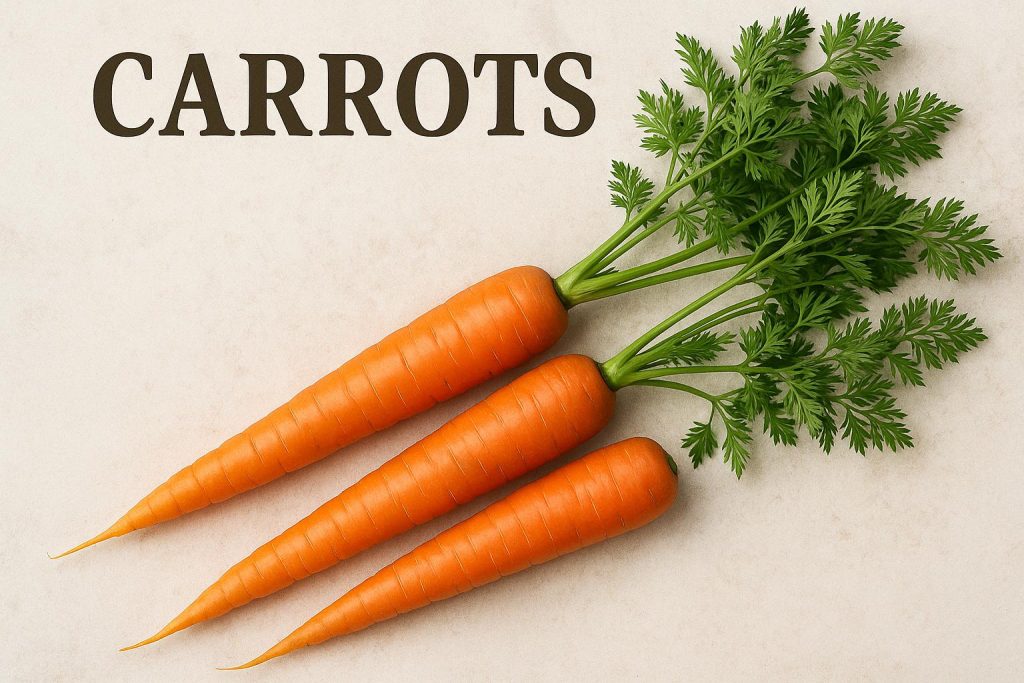
The Nutritional Components of Carrots
Carrots are a highly nutritious root vegetable, offering a range of essential nutrients. This vibrant vegetable is celebrated for its high beta-carotene content, a precursor to vitamin A. Vitamin A is crucial for maintaining healthy vision, skin, and immune function. In addition, carrots provide a decent source of dietary fiber, vitamin C, vitamin K1, and potassium.
Health Benefits of Carrots
Carrots offer several health benefits due to their nutrient composition. Their high antioxidant levels may help in reducing inflammation and the risk of chronic diseases. The fiber content supports digestive health and aids in maintaining a healthy weight by promoting a feeling of fullness. Moreover, the nutrients in carrots contribute to heart health and may play a role in lowering the risk of certain types of cancer.
Varieties of Carrots
Carrots come in several varieties, each with unique characteristics. The most common is the traditional orange carrot, but they also come in purple, red, yellow, and white. While the orange variety is rich in beta-carotene, purple carrots contain more anthocyanins, another valuable antioxidant. These diverse varieties allow for nutritional variety and add aesthetic appeal to culinary dishes.
Growing Conditions and Cultivation
Carrots thrive in well-drained, sandy loam soils with a pH between 6.0 and 6.8. They require full sun and consistent moisture for optimal growth. Typically, carrots are planted in early spring to ensure they mature before the peak of summer heat. The roots should be sown at least 1/4 inch deep with rows spaced about 12 to 18 inches apart.
Culinary Uses of Carrots
Beyond their nutritional merits, carrots are versatile in the kitchen. They can be consumed raw, cooked, or juiced, and are a staple ingredient in numerous cuisines around the world. Carrots can enhance both savory and sweet dishes, from soups and stews to salads and desserts.
Understanding the Nutritional Profile of Carrots
When examining carrots’ nutritional profile, it’s evident that they offer more than just vitamins and minerals. One of the key components is beta-carotene, converted to vitamin A in the body. Vitamin A plays a pivotal role in eye health by supporting the surface of the eye and reducing the risk of eye diseases. It also contributes to maintaining healthy skin by promoting the production of new skin cells and facilitating immune response by aiding in the development of immune cells.
Carrots are also rich in dietary fiber, essential for maintaining healthy digestion and preventing constipation. Fiber can also help reduce cholesterol levels and manage blood sugar levels, which is especially beneficial for individuals with diabetes.
The presence of vitamin C in carrots plays an important role in boosting the immune system, assisting in collagen formation, and protecting the body against free radicals due to its antioxidant properties. Vitamin K1 is vital for blood clotting and bone health, while potassium helps regulate fluid balance, muscle contractions, and nerve signals.
Broad Health Benefits Associated with Carrots
Given their broad nutrient composition, carrots are considered a functional food. The antioxidants present, such as beta-carotene and anthocyanins, contribute to reducing oxidative stress in the body. By doing so, they help lower the inflammation linked to chronic illnesses such as heart disease or arthritis.
Dietary fiber in carrots provides satiety, making it easier to control weight by reducing overall calorie intake. Moreover, fiber supports the gut microbiome, enhancing digestive functions and contributing to overall health. Nutrients like potassium are associated with heart health by helping to maintain normal blood pressure levels, thus reducing the risk of developing cardiovascular diseases.
Studies suggest the potential role of carrot consumption in reducing certain cancer risks. Carotenoids, such as beta-carotene and lutein, have been studied for their potential protective effects against bladder, prostate, and colon cancers. Although more research is needed, including carrots as part of a balanced diet can be beneficial.
Examining the Diversity of Carrot Varieties
The different hues present in carrot varieties are not merely aesthetic but also indicative of varying nutritional benefits. The orange carrot is globally recognized largely for its high beta-carotene content. However, the lesser-known purple carrots contain anthocyanins, which may help prevent heart disease by inhibiting cholesterol absorption.
Red carrots get their color from lycopene, another antioxidant well-documented for its protective effects against certain cancers and heart disease. Yellow carrots are a source of lutein, which supports eye health, while white carrots, although less nutritious than their colorful counterparts, still contribute fiber and are less allergenic.
Exploring these varieties offers both sensory and nutritional diversity, encouraging a more inclusive approach to diet.
Understanding Carrot Cultivation Practices
Cultivating carrots successfully requires understanding their specific growing requirements. Sandy loam soils facilitate root expansion and reduce the likelihood of deformities. Maintaining the appropriate pH level is crucial, as it affects nutrient availability. Carrots do best with consistent moisture. However, overwatering should be avoided to prevent root rot.
The timing of planting can also affect growth success. Planting carrots early in the spring ensures that they avoid extreme summer temperatures, which can impede growth. Sowing seeds at the correct depth and spacing optimizes root development and reduces competition for nutrients.
In addition, practicing crop rotation helps maintain soil health, preventing pest accumulation associated with monoculture practices. Mulching can also assist with moisture retention and weed suppression, promoting optimal growth.
Culinary Exploration with Carrots
Carrots’ culinary versatility stems from their ability to integrate into a range of dishes. Raw carrots offer a crunchy texture and can be a quick, healthy snack or part of a salad. Cooking carrots can enhance their sweetness, making them suitable for roasting or steaming, which also helps retain nutrients.
Including carrots in soups or stews provides both flavor and nutritional benefits. Even juices and smoothies can include carrots for an added nutrient boost. The natural sweetness of carrots allows them to fit well into desserts, such as carrot cakes or muffins.
Their adaptability and rich nutritional profile make carrots a valuable kitchen staple for diverse culinary creativity.
