

Overview of Ginger
Ginger, a notable member of the Zingiberaceae family, is a flowering plant with a significant culinary and medicinal footprint. It is native to Southeast Asia, where the rhizome—or, more commonly, the ginger root—holds prime importance both in cooking and herbal medicine practices. This plant, beyond its geographic and cultural origins, has garnered global attention due to its versatile applications.
Botanical Description
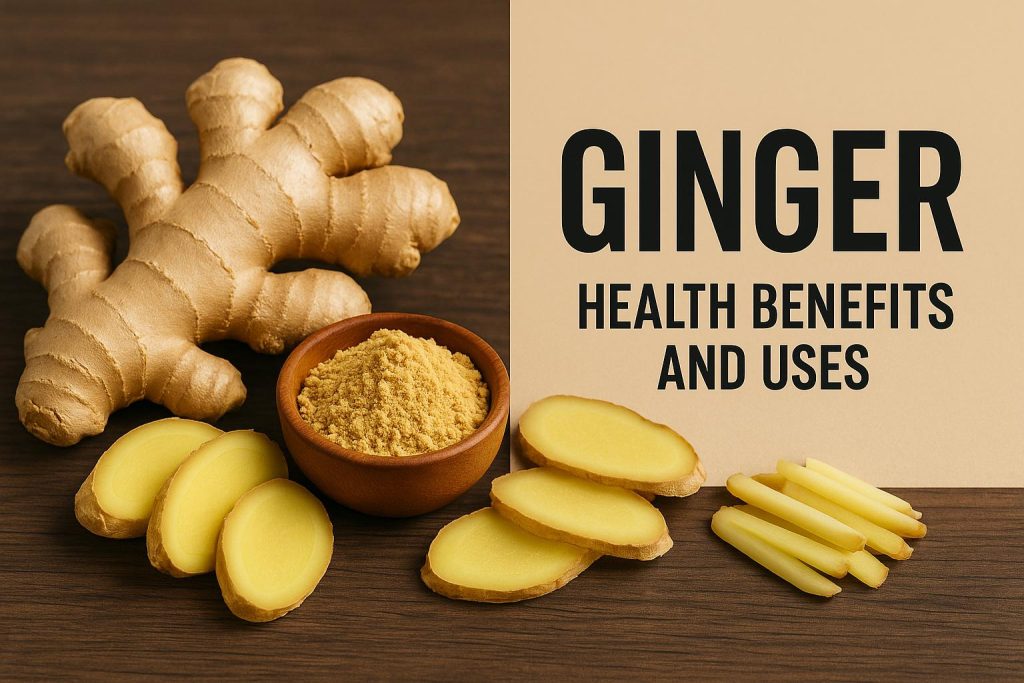
The ginger plant stands out with its tall and slender stems, reaching heights of up to one meter. This height helps the plant maximize sunlight exposure, crucial for its growth. The leaves of ginger are long and narrow, sporting a dark green hue that complements the smaller, green-yellow flowers it bears. These flowers, although not the primary feature of the plant, contribute to its aesthetic appeal. The most notable part of the ginger plant, however, is its rhizome—thick, knotted, and rough to the touch. This part of the plant features a pale brown outer skin with a contrasting pale yellow interior. The interior is where the plant’s characteristic aroma and flavor are concentrated.
Culinary Uses of Ginger
Ginger’s spicy and aromatic attributes make it a valued element in the culinary world. Its uses span numerous cultures and techniques. Fresh ginger, specifically, plays a pivotal role in Asian cuisines, known for its inclusion in stir-fries and soups, where it contributes depth and warmth to the dishes. In the Western culinary tradition, ginger is celebrated in baked goods such as gingerbread and cookies, where it imparts a distinctive flavor. Beverages like ginger ale and ginger tea showcase ginger’s ability to infuse drinks with its uniquely refreshing quality. Ginger is also available in dried, powdered forms and as an oil or juice, which further expands its versatility in cooking and flavoring various dishes.
Medicinal Properties
Beyond its culinary applications, ginger has secured a foundational role in traditional and alternative medicinal practices. Traditionally, it has been employed to aid digestion, providing relief from discomfort and potential indigestion. Its efficacy in reducing nausea is documented in anecdotal and some clinical reports, indicating its usefulness during pregnancy and in motion sickness. Further, ginger is associated with flu and common cold treatments, where its role entails boosting immunity. Scientifically, ginger may exhibit anti-inflammatory and antioxidant properties, which help explain its use in treating conditions such as arthritis. These attributes make ginger an attractive natural treatment option for those seeking holistic approaches.
Nutritional Content
Ginger is considered a low-calorie food yet packed with essential bioactive compounds, making it a nutritious addition to the diet. A primary component, gingerol, contributes significantly to its medicinal qualities, offering potential inflammation reduction and other health benefits. Moreover, ginger contains an array of vitamins and minerals, albeit in small quantities. These include vitamin B6, crucial for various metabolic processes, and minerals like magnesium and manganese, which are essential for enzyme function and skeletal health, respectively.
Harvesting and Storage
The harvest period for the ginger rhizome is typically eight to ten months following planting. This maturation period allows the rhizome to develop its characteristic robust flavor. Post-harvest, proper storage of ginger is essential not only for maintaining its freshness but also its culinary potency. Fresh ginger can be preserved in either a refrigerator or freezer, which helps retain its texture and flavor profile. In contrast, dried ginger, which must be stored away from heat and light, is best placed in a cool, dark environment to preserve its efficacy as a spice.
Precautions and Potential Side Effects
While ginger is generally safe for consumption, it may induce mild side effects, particularly when consumed in large doses. These effects can include heartburn or stomach discomfort. Individuals with specific health conditions or those on particular medications may need to exercise caution. Consulting healthcare professionals before incorporating ginger supplements into one’s regimen is advisable to ensure safety and avoid potential interactions.
Further Reading
For those interested in exploring deeper insights into ginger’s effects and applications, a wealth of scientific literature is available. Academic journals and studies provide comprehensive analyses evaluating ginger’s broad health benefits. For a thorough exploration, readers are encouraged to consult resources such as peer-reviewed articles available through academic databases. As an initial point of reference, Healthline provides a comprehensive guide to ginger’s health benefits: Healthline’s Guide on Ginger.
