

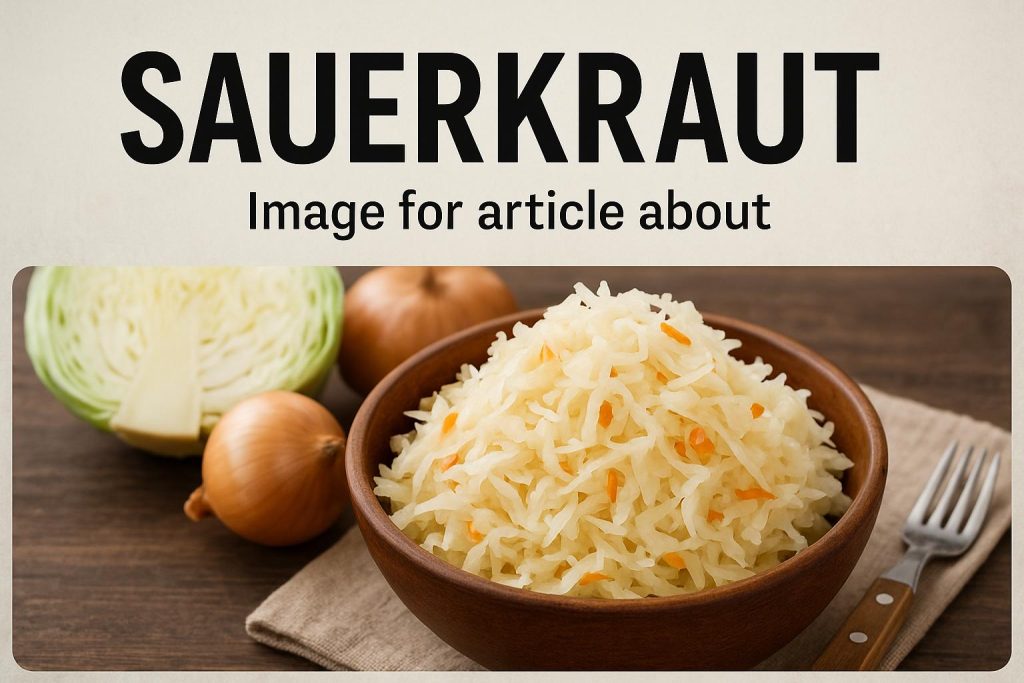
Introduction to Sauerkraut
Sauerkraut, a dish that has graced the tables of homes worldwide, is a form of fermented cabbage celebrated for its distinctive tangy flavor and myriad health benefits. Thought to have originated in Eastern Europe, sauerkraut has transcended borders, becoming a cultural staple in various global cuisines. Its versatility and ability to be stored for extended periods has ensured its enduring popularity through the ages.
Fermentation Process
The art of creating sauerkraut rests in its fermentation process, a natural technique that underscores its unique qualities. At its core, sauerkraut production involves shredding fresh cabbage and combining it with salt. This simple mixture is allowed to sit at room temperature, where it undergoes a transformation. During this period, the naturally occurring bacteria within the cabbage work harmoniously to convert the plant’s sugars into lactic acid. This conversion is the cornerstone of the fermentation process, acting efficiently as a preservative.
This lactic acid not only extends the shelf life of sauerkraut, allowing it to be stored without spoiling, but it also imparts the cabbage with its characteristic sour flavor. Importantly, this method of preservation has historically allowed people to store food through harsh winters, when fresh produce was scarce.
Nutritional Benefits
Far from being merely a tasty condiment, sauerkraut is packed with a plethora of nutritional benefits. As a fermented vegetable, it is an excellent source of dietary fiber, which is paramount for digestive health. Additionally, sauerkraut is rich in essential vitamins, particularly vitamin C and vitamin K. The former is renowned for its immune-boosting properties, while the latter plays a critical role in maintaining bone health and proper blood clotting.
What sets sauerkraut apart from raw cabbage is the enhancement of its nutritional profile through fermentation. This process increases the bioavailability of various vitamins and engenders the production of probiotics. Probiotics—naturally occurring beneficial bacteria—are integral to maintaining a healthy gut microbiome. Such a diet, rich in probiotics, has been linked to improved digestion, enhanced immune response, and even mood stabilization through the gut-brain axis—a fascinating field of ongoing research. For further reading on probiotics, you can visit this resource.
Culinary Uses
In the culinary world, sauerkraut is supremely versatile, endearing itself to chefs and home cooks alike with its ability to enhance a multitude of dishes. In many cultures, it is served as a quintessential side dish, but its applications extend far beyond this role. Sauerkraut makes a delightful addition to sandwiches, offering a tangy contrast that elevates the flavor profile of the meal. It is popularly used as a complementary topping for meats and smoked sausages, often balancing out the richness of the protein with its acidity.
Beyond these more traditional uses, sauerkraut can subtly enhance stews, imparting complexity and a pleasing sour note. It effortlessly mingles with varied ingredients, showcasing its flexibility and adaptability. When choosing sauerkraut, it is prudent to seek varieties produced through traditional methods of natural fermentation. These tend to retain more of their probiotic qualities, unlike their pasteurized counterparts which may lose significant nutritional value during processing.
Conclusion
Sauerkraut, with its vibrant taste and impressive health credentials, exists as a nourishing delight celebrated worldwide. It stands as a testament to food’s ability to transcend cultural and geographical barriers, uniting people through shared taste and tradition. Whether savored for its succulent flavor, appreciated for its contribution to well-being, or admired for its role in historical culinary practices, sauerkraut is undeniably a cherished component of global diets. Its rich history and the tangible health benefits it offers ensure its place as a valued and exciting food choice for generations to come.
