

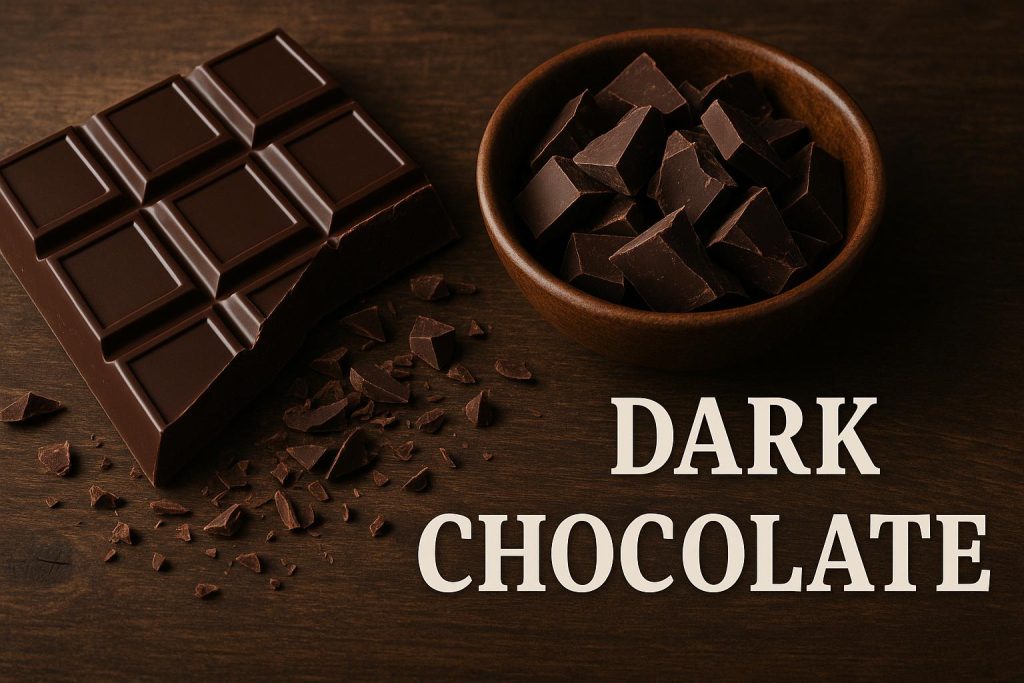
Introduction to Dark Chocolate
Dark chocolate has long been cherished by many as a delectable treat that offers more than just delightful flavors. With a composition that includes a higher percentage of cocoa solids and cocoa butter compared to its milk chocolate counterpart, dark chocolate often contains little to no milk solids. This distinct blend, along with its unique taste and potential health benefits, has captured the interest of chocolate aficionados and health-conscious consumers alike. As the popularity of dark chocolate continues to rise, understanding its origins and qualities becomes essential for enthusiasts.
Production Process
To fully appreciate dark chocolate, it is important to understand its meticulous production process, which influences its flavor and texture.
Cocoa Bean Harvesting: The journey of dark chocolate begins with the cultivation of the cocoa bean. These beans are harvested from the cacao trees, which flourish in tropical regions located within 20 degrees of the equator, offering the ideal climate for their growth. Countries such as Ivory Coast, Ghana, and Indonesia are among the top producers, providing the essential ingredient for this type of chocolate.
Fermentation and Drying: After harvesting, the cocoa beans undergo a critical fermentation process, lasting between two to seven days. This stage is vital as it develops the complex flavor profiles typical of dark chocolate. Following fermentation, the beans are carefully dried under the sun, which further influences the eventual taste and quality.
Roasting and Grinding: The dried cocoa beans are then roasted, a process that accentuates their inherent flavors. Roasting times and temperatures vary based on the desired flavor profile and chocolate type. Once roasted, the beans are ground into chocolate liquor, a smooth liquid form that contains both cocoa solids and cocoa butter. This chocolate liquor serves as the foundational ingredient for dark chocolate production.
Conching and Tempering: Conching is a mechanical mixing process that involves aerating the chocolate liquor to refine its texture and flavor. This mechanical treatment can take several hours to complete and is crucial for producing high-quality chocolate. Following conching, tempering involves a precise series of cooling and reheating steps. The goal of tempering is to stabilize the chocolate, giving it a smooth, glossy finish and a satisfying snap when broken.
Health Benefits
Dark chocolate is often lauded for its potential health benefits, primarily attributed to its rich content of flavonoids, especially flavanols. These compounds are known for their beneficial effects on human health.
Antioxidant Properties: One of the most significant attributes of dark chocolate is its abundance of antioxidants. These molecules help neutralize free radicals, thus preventing cellular damage and reducing inflammation. By incorporating dark chocolate into one’s diet, individuals may bolster their body’s defense against oxidative stress, a factor linked to aging and various diseases.
Heart Health: Research suggests that moderate consumption of dark chocolate can improve heart health. Its role in enhancing blood flow and lowering blood pressure is largely due to the production of nitric oxide, a compound that relaxes blood vessels. This property may contribute to a reduced risk of cardiovascular diseases, making dark chocolate a heart-friendly indulgence when eaten in moderation.
Brain Function: Dark chocolate contains stimulant substances, such as caffeine and theobromine, which may support brain functions. These compounds can enhance cognitive abilities, memory performance, and even mood. Regular, moderate consumption of dark chocolate might therefore aid in maintaining mental agility and overall brain health.
Choosing Quality Dark Chocolate
Selecting the right dark chocolate can enhance both the tasting experience and the potential health benefits it offers. Knowledge of key factors is crucial when making informed purchasing decisions.
Cocoa Percentage: A higher cocoa percentage often denotes a richer and more robust flavor. For a balance of taste and health advantages, it is advisable to choose dark chocolate with a cocoa content of 70% or higher. These products tend to contain more beneficial compounds like flavonoids while minimizing the sugar content.
Ingredients List: High-quality dark chocolate should have a minimal ingredients list. Primarily, it should consist of cocoa beans, cocoa butter, sugar, and sometimes vanilla. Avoid products that include additional oils or artificial flavors, as these may detract from the purity and health benefits of the chocolate.
Sourcing Ethics: Consideration of ethical sourcing is important. Brands that commit to sustainable and fair-trade practices ensure better conditions for cocoa farmers and support environmentally friendly production methods. By choosing products from such brands, consumers contribute to a more sustainable and equitable chocolate industry, aligning their purchasing choices with personal ethical values.
Conclusion
In summary, dark chocolate is a culinary delight with a rich history and an array of potential health benefits when consumed in moderation. Understanding its production process enriches appreciation, while informed choices regarding quality and sourcing ethics enhance the overall experience. As interest in healthy living and ethical consumption grows, dark chocolate stands as a symbol of indulgence without compromise on health and values.
